
Enock Opara Makokha, Sky-Swift Limited CEO, on Logistics, Freight and Cross-Border Trade in Kenya
Kenyan entrepreneur Enock Opara Makokha outlines Sky-Swift’s shift from petroleum experience into logistics, freight and cross-border trade, alongside a growing coffee export venture.
Enock Opara Makokha, Chief Executive of Sky-Swift Limited, is a Kenyan entrepreneur with experience spanning petroleum trading, logistics, aviation services, accommodation and agribusiness. Founded in 2018, Sky-Swift operates in aviation and logistics, with services covering freight, customs clearance, warehousing, aviation consulting and furnished accommodation.
In this interview, Opara explains how seven years in petroleum trading at Petrosun Kenya shaped his transition into logistics and how Sky-Swift is building a focused position around cargo handling, cross-border freight and partnerships with larger service providers. He discusses the importance of customer referrals, international shipments, digital booking and payment processes, warehousing, container freight station services and last-mile distribution, as well as the company’s priorities for the next three to five years.
Opara also outlines his activities in coffee and agribusiness through Imara Airways, describing a model based on sourcing from farmers, warehousing, repackaging and access to local and export markets. He says he is open to working with distribution partners who understand the coffee trade. Speaking with MarcoPolis, he presents a growth strategy centred on reliability, customer service, specialised execution and gradual international expansion.
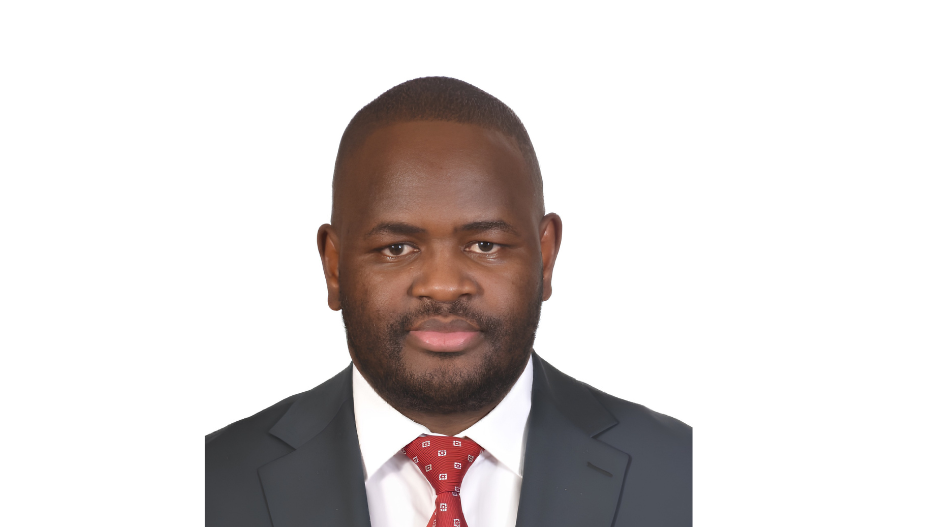
INTERVIEW
You founded Sky-Swift in 2018 after building experience across energy, logistics and financial services. What led you to create the company, what problem did you initially want to solve, and how has its mission evolved since then?
I formed Sky-Swift in 2018 after selling Petrosun Kenya Limited, a privately owned petroleum company that I had operated for about seven years. Petrosun was active in petroleum trading and distribution. We operated through Kenya’s Open Tender System and Kenya Pipeline Company arrangements, and served markets across East and Central Africa, including Uganda, Rwanda, Burundi, the Democratic Republic of the Congo and South Sudan. We had our own storage capacity, more than 20 trucks and four retail outlets. At one stage, our monthly market volume was around 5,000 metric tonnes across products including petrol, diesel, jet fuel and kerosene.
As the company expanded, the working capital requirements became much heavier. My operational capital was around US$6 million, but when different product cargoes were discharged close together, the liquidity required to turn over the volumes became increasingly difficult to manage. Regulatory requirements were also becoming more demanding for smaller oil marketing companies, while multinational operators had much greater financial capacity.
That experience led me to sell Petrosun and move into logistics, freight and accommodation through Sky-Swift. The transition was really about taking the experience I had gained in trading, infrastructure, distribution and cross-border operations and applying it to a business model that I believed could be expanded more sustainably.
What are Sky-Swift’s strongest business lines today, and which customer segments are most important to the company?
The three main areas for us today are logistics, freight and accommodation, and they are all important contributors to the business. In logistics and freight, we provide cargo handling and work through relationships with larger operators such as Mitchell Cotts and DHL. We also provide accommodation services, including furnished apartments, supported by international business relationships.
A significant part of our activity is cross-border. We work through partner networks in markets such as Malaysia, Hong Kong and Singapore, where we act as an agent and coordinate business with local correspondents. We also provide local services in Kenya. At present, logistics, freight and accommodation contribute broadly comparable revenue to the company.
How has Sky-Swift grown in recent years in terms of clients and market reach, and what is driving that growth?
For me, growth starts with the customer journey. It is about connecting the company’s mission and vision with the way we serve both existing customers and new customers coming on board.
I have worked closely with smaller customers who have then referred us to new clients. Those recommendations have helped us expand into new market territories. That referral-led approach, supported by the quality of the customer experience, has been an important part of how the business has grown.
Which countries and trade corridors are most important to Sky-Swift today, how do partnerships strengthen the company’s offer, and where do you see the greatest opportunity for international expansion?
We gained an important opportunity through working arrangements with large companies such as DHL and Mitchell Cotts, because much of the business we handle is international.
Through the DHL platform, for example, we can manage inbound and outbound shipments and use digital payment processes connected with business in markets such as the United States, Canada, China and Australia. A customer can log in, book cargo, make payment and arrange for the shipment to be collected and delivered from one point to another through the platform.
These partnerships give us access to a broader international network and allow us to serve customers beyond Kenya without having to build every part of the infrastructure ourselves.
How are technology and financial services changing logistics and aviation, and how do you see opportunities to integrate your experience across sectors into a broader platform for African trade?
For me, this is about business innovation, mindset and having a clear vision for expansion. As Chief Executive, I have to look beyond the services we provide today and understand where future logistics demand will come from.
We are currently focused on logistics and freight, but I also look at sectors such as mining, agribusiness and construction. Those industries create demand for services such as container freight station operations, warehousing and last-mile distribution. By building capability around those needs, we can broaden the platform and support clients across more of the supply chain.
How important are reputation, online visibility and thought leadership to Sky-Swift’s growth, and what is the company’s competitive advantage in a market with much larger logistics groups?
The strongest reputation comes from performance. If you perform consistently and deliver better service, that becomes one of your most important advantages in the market. For us, customer service, relevant certifications and recommendations from previous customers are key.
We also see an opportunity in supporting small and medium-sized companies that may not fully understand how to structure trading and logistics operations in Kenya. We are not trying to compete directly with the biggest global companies. Instead, we look for areas where we can operate sustainably and add value.
In cargo handling, for example, we can deploy our personnel for activities such as repackaging and consolidation while working within the warehousing and container freight station infrastructure of larger institutions. We can also work within collateral management arrangements where relevant. This gives us practical experience, allows us to learn from established operators and helps us build the skills required to invest and expand over time.
What are your priorities for the next three to five years, and what would you like Sky-Swift to become within the East African and international business landscape?
Kenya already has a population of roughly 56 million people, and the demand for the services we provide is high. Over the next five years, I expect the population and consumption levels to continue increasing, which should create even greater demand.
My strategy is therefore to strengthen our skills, put sufficient capital into the business and build the capacity required for the future. When demand increases, I want Sky-Swift to be ready to support clients at the right time and with the right level of service.
Beyond Sky-Swift, you are also involved in other ventures, including coffee and agribusiness through Imara Airways and financial services through Shahada Credit. Could you give us an overview of these activities and what you are trying to achieve?
In agribusiness, I am using a company called Imara Airways, which is focused on commodities. At the moment, the main commodity I am working with is coffee because I understand the value chain from the farm through warehousing and export.
I see a significant opportunity in coffee. Many farmers are focused on producing and selling their crop, but they are not necessarily in a position to access export markets directly. I have a working arrangement with Mitchell Cotts for warehousing, and the model is to source coffee from farmers, handle and store it through the facility, repackage it and then develop markets for the product.
Coffee can be sold as a commodity or developed into a more refined and packaged product. Demand is growing both locally and internationally, and I see opportunities across sourcing, warehousing, repackaging, distribution and export. I am already discussing the project with two or three interested partners, but the opportunity remains open to other partners who understand the coffee business and the potential margins available in global markets.
What type of partner are you looking for in the coffee business?
I am specifically looking for a partner who can support distribution in both the local market and export markets.