
Euracare Ghana: Inside Accra’s Leading Private Multi Specialist Hospital with Dr Daniel Asare
The interview with Dr Daniel Asare positions Euracare Ghana as a leading private hospital in Ghana and a rapidly expanding multispecialist hospital in Accra, delivering advanced medical care. Originating as a diagnostic centre in Accra, Euracare has evolved into a major healthcare institution in Ghana and a reference point for private healthcare in West Africa.
Its flagship facility at Adjiringanor is a modern surgical hospital in Ghana offering emergency care, an intensive care unit, maternity hospital services in Accra, and highly specialised departments including cardiology, interventional radiology, and comprehensive radiology services in Ghana. Advanced imaging, such as MRI scans, CT scans, and precision diagnostics, enables cancer screening, supporting the development of a major oncology centre in Ghana. Expansion plans include dialysis services and kidney transplant capabilities.
Euracare integrates innovation through telemedicine in Ghana, AI in healthcare in Ghana, and advanced digital systems that enable rapid reporting and specialist collaboration. The hospital emphasises preventive healthcare in Ghana through wellness screening programmes, while also providing occupational health services in Ghana and corporate medical screening services for businesses.
Strategically located in Accra, Euracare aims to become a hub for medical tourism in West Africa, positioning itself as an affordable alternative for patients who previously travelled abroad for specialised treatment. With international partnerships, highly trained specialists, and state-of-the-art infrastructure, the institution seeks to redefine private healthcare in West Africa by combining patient-centred care, technological excellence, and regional accessibility.
Under strong leadership and a vision focused on medical excellence, Euracare continues to expand its services, strengthen partnerships, and invest in modern medical technologies, reinforcing its reputation as one of the most advanced healthcare providers in the region.
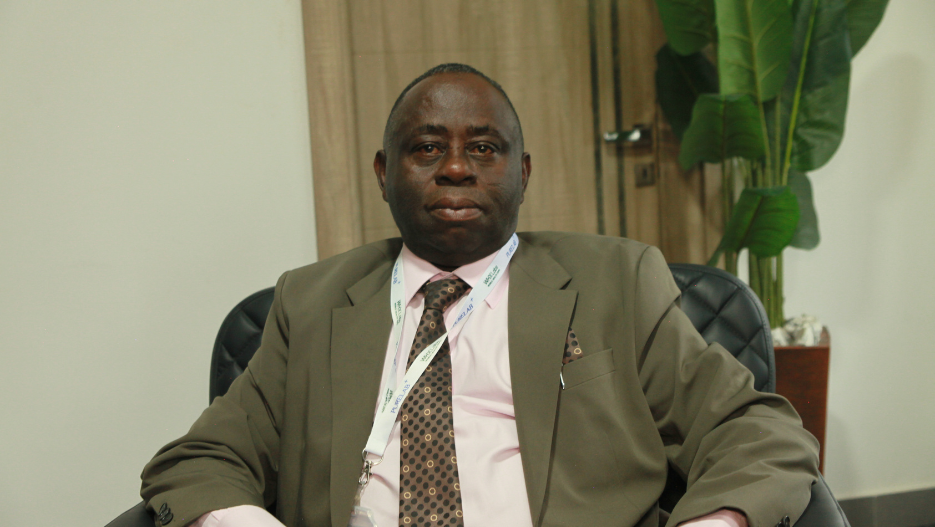
To begin, could you provide an overview of Euracare and share the current status and developments of the hospital?
My name is Dr Daniel Asare. I joined Euracare in February 2025 as the first Chief Executive of the company. Euracare has grown from being a diagnostic centre at Cantonments to establishing various sites in Accra and beyond. It is part of the Euro-Pharma group of healthcare establishments, and we now operate a multi-specialist hospital at Adjiringanor, where we are currently located.
This is a state-of-the-art facility that serves as the central hub of our healthcare network. The other Euracare branches support this facility by referring cases that require specialised care, allowing us to provide comprehensive medical services to our patients.
We have built upon the foundation of the original diagnostic centre, which was initially owned by CFAO, but today, Euracare is a fully Ghanaian-owned company.
Our aims, goals, and aspirations remain aligned with the broader Euracare vision. At the same time, we are expanding that vision beyond the borders of Ghana, positioning ourselves to contribute more broadly to healthcare delivery within the region.
What strategic direction do you see for the Euracare brand within Ghana’s healthcare sector?
We have a strong corporate brand and a clear vision. Our goal is to become a centre of excellence in specialised fields such as interventional radiology, cardiology, and other advanced medical specialities that traditionally require patients to travel outside Ghana for treatment. With the growing importance of foreign exchange to Ghana’s economy, it has become increasingly important that we develop local healthcare institutions capable of providing the same level of specialised care within the country. Our objective is to ensure that Ghanaians can take pride in healthcare establishments that are able to care for them when they need it most.
The vision that shaped Euracare at its inception evolved significantly after the COVID pandemic. During COVID, many people were unable to travel abroad for healthcare, even for basic needs, let alone sophisticated care. This highlighted the urgent need for strong local healthcare systems that can diagnose and manage critical conditions such as haemorrhage, stroke, and heart attacks promptly.
Euracare therefore exists as a private healthcare provider equipped with modern medical technology and specialised expertise. Our aim is to handle up to 90 per cent of the cases that would normally require patients to travel to the United Kingdom, Dubai, India, and the United States for treatment.
To achieve this, we combine the expertise of highly skilled Ghanaian medical professionals with international specialists who collaborate with us under the Euracare brand. Together, they provide advanced medical care here in Ghana, ensuring that patients can receive world-class treatment without leaving the country.
Given the growing number of advanced diagnostic centres and hospitals in the market, what sets Euracare apart from the competition?
We pride ourselves on being different because our approach is truly patient-centred. Every patient who comes to Euracare is treated as an individual with unique characteristics, needs, and concerns.
Although we are a private, for-profit healthcare provider, we place a strong emphasis on personalised care. One of the ways we achieve this is through our patient coordination system. From the moment a patient enters our facility, we guide them through every stage of their care. This includes their consultation, treatment, follow up after they return home, and even scheduling their next appointment or medical review.
The relationship between Euracare and our patients is designed to be long term. It is a partnership built on trust, with the goal of creating a mutually beneficial experience where patients receive quality care and ongoing support.
Our call centres also play an important role in this process. When patients contact us, our team provides clear information about the services they need, whether it is diagnostic testing, interventional procedures, endoscopy, or other specialised treatments.
We also distinguish ourselves through our use of technology. We integrate advanced medical technologies, including artificial intelligence, to enhance patient care. For example, in mammography screening, AI can assist our specialists in identifying potential cancerous changes. With the patient’s consent and ethical clearance, the AI system supports the analysis of imaging data, helping our doctors make more precise diagnoses and enabling earlier detection of cancer. This enables us to save lives by ensuring accurate and timely diagnosis.
One of the major strengths that differentiates Euracare is our turnaround time for diagnostic imaging and radiology reporting. At Euracare, it is far shorter than that of most competitors. We take great pride in the speed and accuracy of our services. In most cases, within three hours a patient should have a complete and precise report ready for their doctor to review. This speed is very important in fields such as interventional cardiology and interventional radiology. When diagnosis and treatment are delayed beyond four or five hours, the patient’s prognosis and outcome can change significantly.
Even during the night, at 2 a.m. or 3 a.m., patients who come to Euracare can still receive timely diagnostic reports. We are able to do this because we maintain international partnerships. When it is late at night in Ghana, medical professionals in countries such as India and Malaysia are already working during their daytime hours. Through secure digital platforms, we are able to transmit diagnostic images to these partner specialists, who analyse them and send their reports back to us electronically.
We employ extensive digital technology and off-site support, ensuring round-the-clock service. We previously collaborated with Nigeria, but since their time zone is similar to ours, we extended partnerships to Asia and the Middle East, where time differences complement ours and allow us to maintain a 24-hour diagnostic workflow.
These are some of the factors that distinguish Euracare from many other healthcare providers. While some facilities may ask patients to return the next day or even after several days for their results, we often tell patients to wait and collect their reports the same day.
In fact, many doctors, including those working in major public hospitals, often refer patients to Euracare specifically because of the precision and reliability of our services. We invest in some of the most advanced medical equipment available, and we ensure that these machines are installed across multiple Euracare locations. This also means that if one facility experiences downtime, we can easily transfer patients to another branch, such as from Cantonments to Adjiringanor, either by ambulance or through other arrangements.
Our goal is to ensure that no patient is turned away because of equipment failure. To support this commitment, we maintain engineers on site around the clock, something many facilities do not have. Their role is to ensure that all equipment is functioning optimally at all times. Maintaining this level of operational readiness is essential to delivering the quality and reliability that patients expect from Euracare.
Looking at Euracare’s service offering, which key services would you say best demonstrate the hospital’s strengths and unique capabilities?
Euracare currently operates five branches in Ghana. Each of these facilities plays a specific role within our healthcare network. One of our branches is located in Damang, where we provide occupational health and safety services primarily for the mining sector. This facility supports both expatriate and Ghanaian miners working in the area. If any medical incident occurs on site, our team is able to respond immediately. We also have ambulance services stationed there to transport patients to our facility in Tarkwa when more advanced care is required.
Our Tarkwa centre is a major medical hub for the mining communities in that region. It has approximately 124 Euracare staff members, including specialists in obstetrics and gynaecology (OB-GYN), emergency medicine, general physicians, and occupational health and safety professionals. The team handles everything from pre-employment medical assessments to routine occupational health monitoring during employment. In cases of workplace accidents, such as blast injuries or other emergencies, the team provides immediate care and stabilisation.
If patients require more advanced or specialised treatment, they are referred to our facilities in Accra. In such cases, we are notified in advance and ambulance services are arranged to transfer the patient.
The Labone facility is well equipped with a wide range of diagnostic technologies, including X-ray, ultrasound, echocardiography, CT scan, MRI, and a cardiac catheterisation laboratory (cath lab). Labone provides a variety of outpatient services, including ENT, ophthalmology, dental care, and general medical consultations. Labone has about ten beds, which is inadequate for long-term stays. For patients who require longer hospitalisation or more complex surgical care, they are referred to our multi-specialist hospital in Adjiringanor.
The Adjiringanor facility is the newest addition to the Euracare network and represents our most advanced hospital. It is a state-of-the-art, sixty-bed hospital equipped to handle complex medical and surgical cases. The hospital includes three fully equipped operating theatres, four intensive care unit beds, recovery wards, and specialised departments for eye care, dental services, ENT, endoscopy, and laparoscopic surgery. All three theatres are laminar flow theatres, which means post-operative infection rates are kept to a minimum.
Also at our Adjiringanor facility, we offer both VVIP and VIP wards designed to provide comfort, privacy, and high-quality care for our patients. The hospital environment is clean, well organised, and supported by highly trained nurses who provide dedicated attention to each patient.
All the major diagnostic technologies available at our Labone centre are also available at the Adjiringanor hospital. These include X-ray, CT scan, MRI, echocardiography, and 4D imaging.
We also conduct stress tests and specialised cardiac monitoring. For example, some patients are given portable heart monitoring devices that allow us to track their heart activity remotely.
Our facility hosts several specialised clinics and treatment centres. These include a cardiology clinic, an OB-GYN unit, an IVF centre, and a physiotherapy and rehabilitation centre. We also run specialised programmes for children with autism, cerebral palsy, and other neurological conditions that require long-term care and therapy.
Unlike the Labone facility, which does not have delivery suites, the Adjiringanor hospital provides fully equipped, individualised delivery suites for maternity care.
We also perform a range of surgical procedures here. In addition, we are currently expanding our services. Dialysis services are being introduced, and in the near future, we plan to add kidney transplant services.
As I mentioned earlier, our goal is to prevent people from having to travel abroad for advanced medical treatment. If patients require a kidney transplant and already have a donor, it should be done here in Ghana rather than sending two people abroad. This avoids the risks and costs associated with travel, and in many cases, the success rate is better when the procedure is performed locally.
From your standpoint, how would you evaluate the healthcare landscape in the country, particularly following Euracare’s move to operate independently?
I believe the current healthcare landscape has evolved. I often describe the period before and after COVID as two distinct phases, because the pandemic changed how people think about health and healthcare. One of the biggest lessons from COVID was that illness does not discriminate between rich and poor. During that time, everyone was vulnerable. That experience shifted public perception and made people realise the importance of investing in healthcare.
Today, we are seeing greater investment in the healthcare sector from both the public and private sides. On the government side, initiatives such as the Agenda 111 programmes aim to expand healthcare infrastructure across the country. At the same time, private investors are also committing resources to healthcare development. This shift means that many Ghanaians now see healthcare not only as a service they consume when they are sick, but also as an essential component of economic productivity and survival.
Another important factor shaping the healthcare landscape is the increase in life expectancy. In the past, life expectancy in Ghana stood at around 42 for males and 40 for females. Today, people are living longer, often into their sixties and beyond. As life expectancy increases, we also see a rise in non-communicable diseases such as diabetes, hypertension, and various forms of cancer. This reality has increased the importance of preventive care and wellness. We always emphasise that prevention is better than cure. Conditions such as breast cancer, prostate cancer, and colon cancer can often be successfully treated when detected early. Similarly, diseases like diabetes and hypertension can be managed effectively if diagnosed in time. Periodic check-ups allow conditions such as diabetes and hypertension to be treated early, with the right medication provided. At Euracare, we have taken it upon ourselves to incorporate wellness packages and expand screening. For example, today we are conducting kidney screening at a very reduced cost, so anyone can walk in and check their kidney health.
During other periods of the year, we run additional screening campaigns. In August, for instance, we conduct breast cancer awareness and screening programmes. Through these initiatives, we encourage people to visit any Euracare facility for breast examinations and early detection tests.
Similarly, we conduct prostate cancer screening for men, which may include blood tests, ultrasound scans, and an MRI if necessary. If we detect any abnormalities, we can immediately begin the appropriate treatment or management process.
Overall, the healthcare landscape has evolved. It has changed, and now I believe we are no longer competing but collaborating. The public and private sectors are working together, with many cases referred to us from Korle-Bu and UGMC.
This collaboration means that when we identify that another facility, such as Bank Hospital or another specialised centre, is better suited to handle a particular case, we encourage that collaboration. The focus is always on ensuring that the patient receives the most appropriate treatment.
There are numerous partnerships taking place at local, national, and international levels, all aimed at strengthening healthcare delivery and ensuring that patients receive the best possible outcomes.
Given the high cost often associated with healthcare globally, how does Euracare approach affordability, and what patient demographic does the hospital aim to serve?
Euracare is a healthcare provider for every Ghanaian. Our services are accessible through different payment structures, including both prepaid and postpaid arrangements. Currently, we work with about 17 local private insurance providers who have partnered with us. Many patients, therefore, use insurance packages that are accepted at Euracare facilities.
In addition to local insurers, we also work with several international health insurance providers. For example, Bupa for clients in the UK, Cigna for United Nations and WHO workers, as well as banks, multinationals, and churches with external assistance. In addition, we collaborate with companies that request us to set up clinics and refer cases to our main facilities.
Beyond insurance partnerships, we also collaborate directly with corporate organisations. Some companies engage Euracare to establish on-site clinics or infirmaries within their facilities, particularly in sectors such as banking and mining. These satellite clinics allow us to provide immediate medical support while also referring patients to our main Euracare facilities when specialised care is required.
We also conduct annual corporate screenings for multinational companies such as Ghana Gas and Nestlé Ghana. These screenings are won through competitive bidding, and we provide comprehensive advice and check-ups. These initiatives allow many organisations and their employees to become part of the wider Euracare healthcare network, ensuring they receive continuous, high-quality medical support.
Since relocating to this impressive new facility about a year ago, what impact has Euracare seen, and what feedback have you received from patients and the wider community?
Euracare has been growing steadily over the years. Our original location in Cantonments was quite congested, and relocating to Adjiringanor has created new opportunities for both Euracare and the surrounding communities. This area is strategically located between East Legon and Trasacco, and by establishing our facility here, we have been able to bring quality healthcare closer to many middle-income families who live in these neighbourhoods.
When we first opened this facility, we started gradually. We did not open all our services at once. Our initial focus was on outpatient diagnostic and screening services. From the 1st of April to June in our early phase, we concentrated on services such as screening, X-rays, CT scans, and other diagnostic imaging.
At the same time, we informed other hospitals that if their diagnostic equipment, such as X-ray or MRI machines, were unavailable or not functioning, they could refer their patients to us. We have two MRI machines available across our facilities, and soon ambulances from other hospitals began bringing patients here for diagnostic services.
As demand grew, we gradually expanded our services. We introduced inpatient admissions, followed by the establishment of a Cath Lab and interventional radiology and cardiology services. After that, we added surgical theatre services.
Currently, we are in our third phase, which includes installing dialysis machines. The fourth and fifth phases will see the establishment of an oncology centre with a PET CT scanner. This will likely make us one of the few facilities in Ghana with such advanced technology.
With PET CT and the oncology centre, we will revolutionise cancer care in Ghana. Patients who previously travelled abroad simply to confirm a diagnosis will be able to do so here. With the help of God, we believe we will bring these advanced services closer to Ghanaians. Our broader mission is to help people live healthier lives through regular checkups, screening, and early diagnosis. Ultimately, we want to ensure that Ghanaians live longer, remain productive, and continue contributing to the prosperity and development of the country.
The oncology department is a major addition to the facility. Could you explain how it aligns with Euracare’s vision for the next three to five years?
It is part of our bigger vision to ensure that we provide most of the specialised healthcare services that currently drive people abroad. Quality healthcare should not have boundaries. When people have the resources and want to preserve their lives and well-being, they will travel anywhere in the world to receive the best care available. Our goal at Euracare is to reduce that need by providing world class medical services right here.
Beyond Ghana, we are also looking to serve the wider West African market, including countries such as Côte d’Ivoire, Nigeria, and Liberia. We already receive some patients from these countries, but our ambition is to expand this significantly. To achieve this, we intend to strengthen our business development efforts across the region so that people understand that Euracare offers advanced medical care close to home. Patients in neighbouring countries should not always feel compelled to travel to Europe or other distant destinations when similar high-quality services can be provided within the region, often at a more affordable cost. Our vision is therefore to provide healthcare that is affordable, accessible, and built on trust.
Beyond treatment, we also emphasise continuity of care. At Euracare, our relationship with a patient does not end once a procedure or consultation is completed. We remain engaged in their care until the patient themselves is satisfied with the outcome and feels confident in their recovery. This approach is one of the key factors that differentiates us. In many public healthcare settings, once a patient’s treatment is completed, the interaction ends. At Euracare, we aim to build a longer-term relationship with our patients, ensuring they feel supported throughout their healthcare journey.
Ultimately, our long-term vision is to position Euracare as a hub for medical tourism within the West African subregion. However, we strongly believe that before attracting international patients, we must first satisfy the needs of the local population.
I often use the United Kingdom as an example. The National Health Service enjoys very high approval ratings among British citizens. As a result, many people who travel to the UK for medical care are not British themselves. When a healthcare system earns the trust and confidence of its own population, medical tourism becomes an additional benefit.
The West African medical tourism market is estimated to be worth about 1.6 billion dollars annually. If we continue to improve our quality of care and service delivery for our own people, they will become our strongest ambassadors.
We also need to collaborate with communication partners like Marcopolis to make Euracare visible and share our message with West African neighbours. Euracare is here, and we can do more than you expect. That is why we want to partner with you.
In addition to your facilities in Tarkwa, Damang, and Accra, are there plans to expand Euracare’s services to other regions, such as Kumasi in the Ashanti Region or the northern parts of Ghana?
At the moment, we are conducting a feasibility study to assess how best to expand our services. It is important for us to carefully study the healthcare landscape before making major investment decisions.
For example, the Government of Ghana is currently working through the Medical Trust Fund to expand specialised services such as interventional radiology in cities like Tamale and Kumasi. When developments like this are taking place, private healthcare providers like Euracare need to understand the direction of the sector so that we do not unnecessarily duplicate existing efforts.
As I often emphasise, our goal is not to compete with government facilities or public healthcare institutions. Instead, we aim to complement them by addressing gaps in areas where access to specialised healthcare services is still limited. However, if government infrastructure is already expanding in a particular area and fully covering the need, it may not make economic sense for private investors to place additional resources there.
As we wrap up, I’d like to turn the focus to you, Dr. Dan Asare. Could you share a bit about your professional background, your leadership philosophy, and what inspired you to join the Euracare brand?
I am a medical officer and a trained ENT surgeon. I have spent close to 30 years working in the public healthcare sector in Ghana. Over the course of my career, I have had the opportunity to lead several major health institutions. I was the first Ghanaian to head the ultramodern regional hospital in Sunyani. Do you recall the tragic incident involving the urologist in 2005? At that time, I was the medical director there. Later, I also served as Medical Director at the Koforidua Regional Hospital.
From there, I moved to the Cape Coast Regional Hospital, where I became the first Chief Executive Officer when the facility was converted into the Cape Coast Teaching Hospital. That transition involved transforming the regional hospital into a teaching institution, establishing the foundation that now supports medical education and advanced clinical training there.
I later served as the Chief Executive Officer of Korle Bu Teaching Hospital from 2018 to 2020. During that period, particularly at the height of the COVID pandemic, I played a frontline leadership role in managing the hospital’s response to the crisis.
I retired from active public service in 2020. After my retirement, around September of that year, I was appointed as a board chairman responsible for supervising quality of care across many private healthcare facilities. This role involved overseeing standards and licensing for both private and public hospitals across the country. At the same time, I also maintained a private medical practice in Accra.
It was during this period that Euracare approached me with an invitation to join the organisation. I accepted the opportunity because the vision aligned with my passion for healthcare leadership. My role has been to help elevate Euracare to a larger scale, increase its visibility, and expand its service capacity beyond what previously existed at the Labone facility. Many specialised services were not available there at the time, including eye care, obstetrics and gynaecology, advanced surgical services, neurosurgery, and fully equipped operating theatres. The goal was therefore to transform Euracare into a fully fledged multi-specialist hospital capable of delivering a broader range of advanced medical services.
Hospital management is an area I am deeply passionate about. In addition to my clinical training as a surgeon, I have pursued further education in healthcare management. I hold a master’s degree in Hospital Management from the University of Leeds, through the Nuffield programme, and another master’s degree in Health Financing, which focuses on how healthcare systems and hospitals are sustainably funded.
These experiences have allowed me to combine my clinical expertise with management knowledge. Running a modern hospital, especially a complex one, requires both medical understanding and strong leadership in operations, finance, and systems management.
I have a strong passion for these areas, and I find great satisfaction in contributing to the development and management of healthcare institutions that improve the quality of care available to people.
Before we conclude, is there anything you would like to add, perhaps a message or perspective that we haven’t touched on during this conversation?
Hospitals cost a great deal of money to build, equally large sums to maintain, and significant resources to run. These three elements form what I often describe as the tripod of healthcare delivery. If one of these pillars fails, the quality of healthcare will inevitably decline.
You cannot simply construct a building and call it a hospital. It must be equipped with ultra-modern technology and maintained properly. Every medical device has a lifespan, but with proper care and maintenance, that lifespan can be extended to ensure that patients continue to receive reliable and high-quality care.
Equally important is the human resource component. Healthcare depends on skilled, experienced, and dedicated professionals. At Euracare, we are proud of our ability to bring together highly qualified medical professionals from around the world. In some cases, specialists travel from countries such as Switzerland, Germany, and the United States to work with our teams. If a patient cannot travel abroad for treatment, we believe it is sometimes better to bring the expertise to Ghana. Specialists may fly in, perform complex procedures, and return after a few days, all with the goal of saving lives.
We are also proud of the technological infrastructure we have put in place. Our strong digital capacity allows us to conduct tele-radiology, tele-consultation, and the secure transfer of large medical images to international partners for reporting and specialist input. This level of connectivity allows us to access global expertise while treating patients locally.
Another important aspect of our work is the wellbeing of our staff. We ensure that our medical professionals are well supported and fairly compensated so that they remain motivated to deliver the highest standards of care. We also take patient feedback very seriously. Whenever we receive a complaint or concern, we follow through to ensure it is addressed properly.
Patient privacy and comfort are also very important to us. At Euracare, we have designed our facilities to ensure discretion and confidentiality. For example, some of our services provide private entry and waiting areas so that patients can move through the hospital comfortably and privately, similar to the experience of using a private lounge at an airport.
We are also proud that Euracare is a Ghanaian-owned institution. Our identity and commitment are deeply rooted in serving the people of Ghana. In that spirit, we have also supported national initiatives such as the medical trust fund programme under the initiative known as MahamaCare. Patients referred to us through this programme receive the necessary care, and the programme has supported the treatment of several individuals who have successfully returned home after their procedures.
Ultimately, we are grateful to God for the opportunity to serve. Our mission is to continue providing the best healthcare possible for Ghanaians and for the region.
We encourage people to learn more about Euracare, communicate with us, and share the message that we are here, ready to serve, and committed to delivering quality healthcare.