Money Transfers in Libya: Banking Regulation in Libya
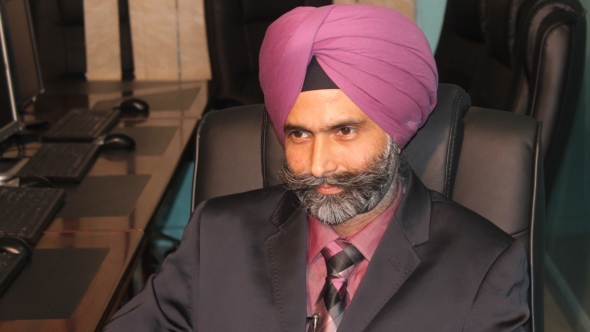
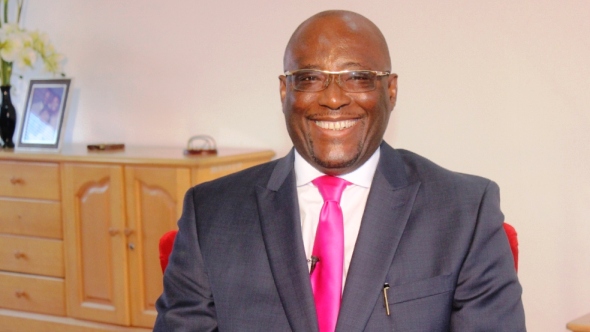
Ahmed Rajab, General Manager of Jumhouria Bank, talks about money laundering prevention, regulations of the banking sector and safe transfers in Libya.
List of all articles filed under “africa-reports” category.
Ahmed Rajab, General Manager of Jumhouria Bank, talks about money laundering prevention, regulations of the banking sector and safe transfers in Libya.
One of the challenges in the banking sector in Libya is inadequate core banking system. The largest bank in Libya is trying to adopt and implement the latest core banking system to streamline the operations.
One of the main challenges in Libyan banking system is the banking infrastructure. For a country to effectively attract foreign investment and boost domestic economic growth, a sound banking infrastructure is a must.
Abdulla A. Abouda, General Manager of Almadar Aljadid
Almadar is the second mobile operator in Libya and it provides voice services and certain internet services using GPRS and EDGE technology. The operator is preparing for a launch of 3.7G (4G ready) and further network modernisation. The penetration rates are high but the mobile sector is not saturated yet and there is large potential for data. Almadar has already recovered most of the 100 sites affected by the Libyan revolution, yet the past regime remains a challenge – in the form of corporate culture.
Privatization of the banking sector in Libya was limited to Sahara Bank and Wahda Bank – No3 and No4 bank in the country. The head of the largest bank in Libya discusses the outlook for privatization of the banking sector. BNP Paribas assumed 18% of Sahara Bank and Arab Bank, the largest bank in the Arab world assumed 18% of Wahda Bank. The privatization, in Rajab’s opinion, did not go smoothly and the subsequent problems emerged.
One of the more challenging aspect of banking in Libya is the lack of adequate lending to the private sector. Moreover, with the Islamic banking reform (all banks in Libya must become Islamic by 2015), many banks are hesitant to lend money on the backdrop of uncertain future.
Ahmed Rajab, General Manager of Jumhouria bank – the largest bank in Libya, discusses the liquidity issues in the banking system in Libya.
The most important role of the banking sector is in Libya’s reconstruction. Many banks are currently lending or granting facilities to the contractors that have contracts with the government for construction.
Salah Ibrahim Mokhtar, CEO of Libyana
Libyana is the largest mobile operator in Libya with a total market share of 72-73% (voice and data). According to the CEO of Libyana Mr. Mokhtar, the mobile operator is now primarily focusing on the reconstruction of the ICT sector in Libya. As a part of its network modernisation project, Libyana aims to introduce new data services, including HSBA service and LTE in the main hotspot areas. The operator is taking all necessary steps to ensure that even the most distant places in Libya will soon enjoy solid telecom connections.
Jumhouria is the number one bank in Libya. The creation of Jumhouria Bank was the result of a merger between Al Ummah Bank and Jumhouria Bank. Today, the bank has a total capital of about LYD 1 billion and total assets for 2012 of LYD 33 billion on balance sheet and about LYD 12 billion dinar off balance sheet for a total of about LYD 44 billion.