
Sophia Bhatti on Wimbledon Wealth and Athlete Wealth Management in Dubai
In this interview, Sophia Bhatti, CEO of Wimbledon Wealth, discusses the firm’s approach to wealth management in Dubai and its positioning as a boutique wealth management firm focused on personalised wealth management, private wealth, financial planning and long term client relationships. Wimbledon Wealth combines independent wealth management with relationship based wealth management, serving high net worth individuals, international clients, professional athletes and high profile individuals.
A major focus is athlete wealth management and sports wealth management. Sophia Bhatti explains the importance of financial planning for professional athletes, financial education for athletes, athlete retirement planning, capital protection and financial security for professional athletes. She highlights common financial mistakes athletes make, including lifestyle inflation, poor tax planning and failure to turn short term sports income into long term wealth. Wimbledon Wealth works with elite athletes, emerging athletes, footballers, tennis players and golfers, helping them manage earnings and prepare financially for life after sport.
The interview also explores cross border wealth management Dubai, international financial planning and financial planning for internationally mobile clients with UAE assets, UK pensions, businesses and family interests across several jurisdictions. Wimbledon Wealth coordinates with regulated specialists while maintaining clarity, independence and trust.
Sophia Bhatti also discusses Dubai private wealth, Dubai family offices and Dubai’s development as an international wealth hub and global private wealth centre. Looking ahead, she explains how AI in wealth management, wealth management technology, digital wealth management and AI powered client communication can improve reporting, accessibility and client communication while preserving personal relationships.
Wimbledon Wealth aims to grow as a trusted wealth management Dubai firm while maintaining its boutique model, discretion, personal accountability and high quality service.
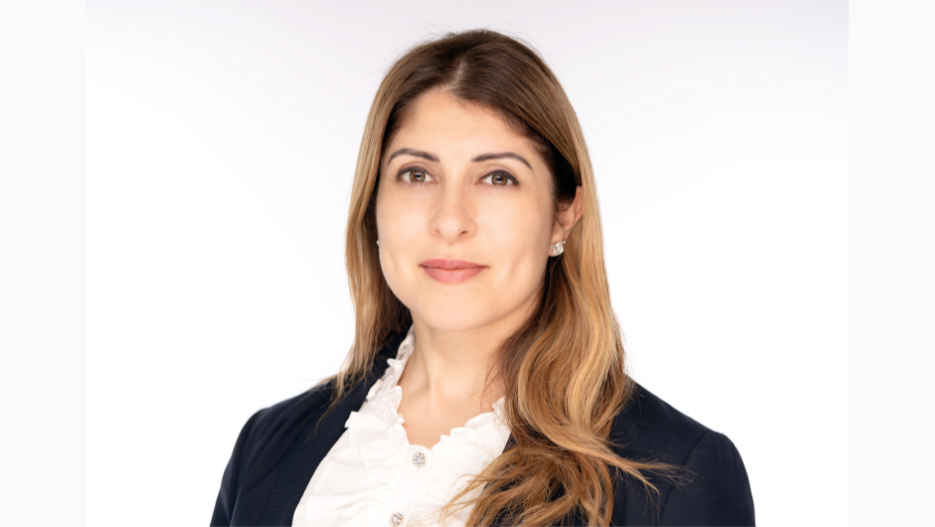
Wimbledon Wealth was launched in Dubai after you built a career in wealth management in the UK and the UAE. From the outset, the firm has emphasised personalised advice, long-term relationships and quality over a volume-driven sales model. What gap did you see in the market when you created Wimbledon Wealth, and what did you want to build differently from traditional wealth management firms?
When I created Wimbledon Wealth, the gap I saw was for a pure boutique firm that combined strong technical standards with a genuine personal relationship.
From my own experience and the feedback I received from clients and prospects, the market felt very transactional. I wanted to build a firm that was adviser-led rather than product-led, with the aim of creating a very long-term, relationship-based business.
Dubai was the right place because it is such an international jurisdiction.
Wimbledon Wealth now places elite and emerging athletes at the centre of its positioning. Sports careers can combine high but concentrated earnings, changing contracts, sponsorship income, lifestyle pressure and an early transition away from peak earning years. What are the most common financial mistakes athletes make during their peak earning years, and how do you help them convert short-term income into long-term financial security?
The biggest mistake is assuming that a high income will automatically become long-term wealth, especially for athletes. In sport, the earning window is very short and it is unpredictable. You could have a good season or a bad season, so the decisions you make have consequences not just now, but for decades to come.
I often see athletes underestimate things such as tax, lifestyle inflation, family commitments and changes in circumstances. We help clients understand their earnings, how they spend and why they are spending as much as they are, but most importantly, how to protect their capital and how much to keep aside to support their life after sport, rather than focusing only on the period when they may be earning extremely high incomes.
The goal is not to stop people from spending or enjoying their success. It is to make sure that this success gives them freedom, security and the choices they want to have in the long term after they retire from their sport.
Dubai has attracted private banks, family offices, international advisers and a growing number of specialist wealth firms. Wimbledon Wealth operates in this environment as a smaller, relationship-focused boutique with a distinct emphasis on athletes and high-profile clients. What are your main competitive advantages, and why should a high-net-worth client or professional athlete choose your firm rather than a private bank, large advisory group or family office?
Our competitive advantage is the combination of independence, access and personal accountability.
Going back to the fact that we have a very small team, that is one of our advantages. A private bank can be excellent and a family office can be very powerful, but clients want a structure where they can access people, especially when it comes to athletes and high-profile individuals. With us, they have a personal point of access.
As a boutique, we can also be quite selective about who we want to work with. We are very close to the people we work with, as well as their families and, in the case of athletes, their close teams.
Importantly, we are not trying to be the biggest firm in the market. We are trying to be the most trusted. That is what sets us apart. In terms of competition, we are not really competing in the same way because we offer a completely different service.
Many internationally mobile clients have assets, pensions, businesses or family interests across several jurisdictions. Wimbledon Wealth also works within regulated frameworks and with specialist partners when a particular market or product requires specific expertise. How do you preserve clarity, independence and trust for clients when financial planning may involve several jurisdictions, regulated entities and external specialists?
Clarity comes from being honest about our clients’ needs, particularly when specialist expertise is required. Many of our clients need cross-border advice. They may have assets here in the UAE, pensions in the UK or businesses around the world, so we coordinate with regulated specialists where required.
We explain those roles and responsibilities very clearly, and we make sure that the client understands every decision they make.
We do not claim to be regulated in every jurisdiction in the world, but we will have a partner where necessary and make sure that the client receives the best advice available to them. The priority is to keep the client informed, protected and in control of the decisions they are making.
Wimbledon Wealth is expanding its team and building a stronger presence within both the sports and business communities in Dubai. Growth can create tension between scale and the highly personalised relationships that define a boutique advisory firm. How do you plan to scale Wimbledon Wealth while preserving this relationship-driven approach? What will determine the pace of expansion in terms of advisers, clients and new markets?
Scaling has to be disciplined. I do not want Wimbledon Wealth to grow in a way that dilutes the experience our clients receive.
The pace of expansion will be determined by people first. That means finding the right advisers and team members who share our values and understand the importance of discretion and building long-term relationships.
We are also continuing to strengthen our presence here in Dubai within both the sports and business communities. However, that growth will never come at the expense of the quality we provide. The boutique model will continue to work if clients feel heard and known, and if they know they are being properly looked after.
Through its public content and the new Wednesdays With… interview series, Wimbledon Wealth is building a wider conversation around sport, personal development and financial decision-making. Athletes are also influenced by families, agents, clubs, coaches and other advisers throughout their careers. How important is financial education to your strategy, and can wealth managers play a broader role by engaging with the wider athlete ecosystem before financial problems arise?
Financial education is central to what we are building with athletes.
The best time to have a conversation with them is normally before a problem arises, before a major contract is signed and the money has been spent, and before external influences become overwhelming. As wealth managers, we can play a broader role through engagement and education.
It is not about lecturing. It is about giving athletes the confidence to make better decisions, ask better questions and make more informed decisions.
Education is one of our pillars. We are not only working with elite athletes, but also with emerging athletes and local academies, where we provide workshops.
One of our newer initiatives is the Wednesdays With… interview series. Through this, we want to normalise discussions about money and about life both in and out of sport. Again, that forms part of our education initiative when it comes to helping athletes, as well as high-net-worth individuals.
Dubai continues to strengthen its position as an international wealth hub, while artificial intelligence and digital tools are changing how clients access information, evaluate advisers and manage their finances. Younger wealthy clients are also demanding greater transparency, accessibility and personalisation. Looking 3 to 5 years ahead, what do you want Wimbledon Wealth to become, and how do you expect Dubai’s growth, technology and the changing expectations of younger wealthy clients and athletes to reshape the business?
Dubai, being the base that it is, will always attract talent, capital and ambition. It will continue to become a serious centre for private wealth, family offices and cross-border planning, while technology will reshape business here.
That will be particularly important around areas such as reporting, access to information and client communication. We are already implementing systems that incorporate AI into our CRM systems, primarily for communication with our clients.
However, technology will not replace the trust that we bring from a personal perspective. It will enhance communication and the relationships we have with our clients and prospective clients.
You have not mentioned any specific names during the interview, but can you name some of the athletes or public figures you are currently working with?
We have to be careful because we have signed NDAs with many of them, so we cannot disclose many names. From the UAE office, we work with quite a few golfers, tennis players and footballers. There are names you would recognise, but because of confidentiality, we cannot really disclose them.