
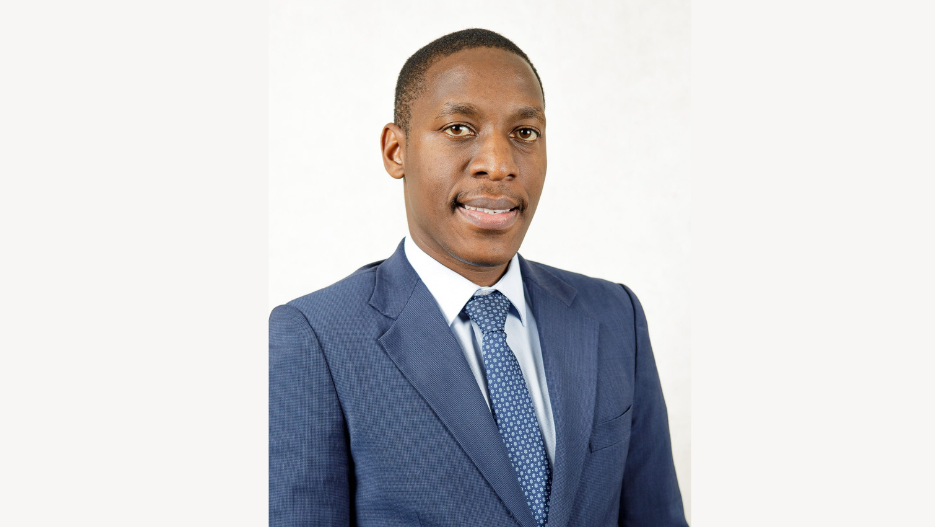
Sebastian Gumbo of Imara Edwards Securities on Zimbabwe Capital Markets, Investment Risks and Opportunities
In this interview, Sebastian Gumbo offers a clear and practical overview of the capital market in Zimbabwe, explaining how the Zimbabwe stock market functions today and where its main limitations lie. He notes that the market is still developing, with limited liquidity and a relatively small range of financial products, which affects how investors can participate and grow their portfolios.
From an investment perspective, Gumbo highlights the key factors affecting investment in Zimbabwe, including investor confidence, macroeconomic stability, and the ability for foreign investors to repatriate funds. These elements continue to shape investor sentiment and influence decisions around investing in Zimbabwe.
A significant part of the discussion focuses on the Victoria Falls Stock Exchange, which is designed to make investing in Zimbabwe more accessible to international investors. By operating in US dollars and allowing easier movement of capital, it addresses some of the traditional barriers associated with the Zimbabwe capital market.
The interview also emphasises the importance of high-quality financial research in attracting international capital and positioning firms within broader African capital markets. Even though local conditions can sometimes limit the immediate impact of research, strong analysis remains essential for building credibility with investors.
In terms of opportunities, mining stands out as the most attractive sector. Gumbo explains that investment in minerals, particularly precious and base metals, offers strong long-term potential compared to more volatile sectors such as agriculture.
Overall, while there are clear risks linked to economic management and policy consistency, the interview presents Zimbabwe as a market with real potential. With the right reforms and improved confidence, the country could offer meaningful opportunities for portfolio investment and long-term growth within emerging markets.
The capital market has experienced significant volatility in recent years. How would you describe the current structure and maturity of the capital market in Zimbabwe?
The market is immature when viewed from an international perspective. There is not a wide enough array of financial products to meet the diverse needs of investors. The markets are also shallow, with insufficient liquidity to fund larger projects.
There is also an issue with integration. For example, if the market is considered too small or unable to provide a solution for a client, there are insufficient linkages to larger markets, even in neighbouring countries such as South Africa, where resources could be raised more easily.
Overall, it is a decent market and suitable for purpose. The equities listed cover different sectors of the economy and are largely representative of the Zimbabwean economy. However, it could improve with additional support from policymakers, such as incentives for businesses to list or for stockbrokers and the investment community to proactively encourage listings.
Regarding the debt market, this remains the weakest link. In my experience, debt markets are generally larger than equity markets. Part of the weakness is a result of historical macroeconomic challenges and currency volatility with high inflation. My hope is that the market will normalise and support a vibrant debt market, allowing larger sums of money to be advanced to suitable investment companies.
In summary, the market is underdeveloped but presents tremendous opportunities for growth.
What is your competitive advantage?
Our competitive advantage is the quality of service. We are aware that our investors are not all sophisticated, so we cater to a very wide audience. Some are ordinary individuals with small sums of money, and we endeavour to treat these individuals differently from the larger, more sophisticated professional investors.
We provide a resource for every type of investor. For example, if it is a doctor with no investment experience, we have personnel capable of explaining opportunities and risks in simple terms and in different languages.
Where we are still evolving is in servicing sophisticated investors. The quality of our research is an area for improvement. We are making significant investments in this area, including recruiting new resources. Although our new recruit has been in the role for only three months, we are developing international-calibre research. Our goal is to produce work that demonstrates expertise and encourages clients to engage us for additional services.
From an investment perspective, what are the main factors portfolio investors consider when looking at Zimbabwe, and how has investor sentiment evolved recently?
The biggest issue recently, beyond political considerations, has been the ability to repatriate funds from the country. Over the past five years, there were periods when money was leaving at high rates, increasing activity among non-resident clients.
More recently, improvements in the macroeconomic system have encouraged participation, particularly on the Victoria Falls Stock Exchange. Unfortunately, this is mostly investors looking to exit the market rather than new investors entering.
Another significant factor is perceptions of political instability in Zimbabwe, which are often exaggerated. In other regions, investors face even greater structural issues.
Could you explain how the Victoria Falls Stock Exchange works and how it facilitates investment?
Policymakers are driving initiatives to enhance the Victoria Falls Special Economic Zone, where the Victoria Falls Stock Exchange operates. Many of the pain points experienced on the Zimbabwe Stock Exchange, such as converting funds through commercial banks, are alleviated on the Victoria Falls Exchange. It is denominated in US dollars, and investors can wire money out immediately, provided they satisfy conditions regarding the origin of the funds.
How important is high-quality research in attracting both local and international capital?
High-quality research is crucial for attracting international capital. It demonstrates competence and that we are on the pulse of developments in the country. International investors value offerings of an international calibre.
For the local market, the reward for good research is limited. Many investors are not sophisticated, and macroeconomic issues, such as exchange rates and monetary policy, drive equity performance. Good research can be overwhelmed by these factors. Our aim is to maintain visibility and demonstrate capability through intelligent reports, even if financial reward is limited in the local context.
What are the opportunities in the market? Which sectors offer the most compelling investment opportunities in Zimbabwe, and why?
Mining is the most compelling sector. It is underdeveloped and underinvested in, creating opportunities for investment. Commodities experience boom-bust cycles, and investing during a downturn positions investors well for the subsequent upswing.
Precious and base metals offer more security compared to agriculture, which is subject to weather-related risks. Mining has a long history and significance in Zimbabwe, making it a strong focus for investment.
What are the key challenges and risks investors should be aware of when investing in Zimbabwe, and how can they manage them effectively?
The primary risk is economic management, which is beyond the control of investors. Since 2008, there have been cycles where the government managed affairs well, but sometimes spending increases or debt is inflated through money printing.
Building confidence over time is essential. Confidence encourages saving, which promotes investment, creating a virtuous cycle. For non-residents, trust in economic management is critical to encourage participation. Therefore, investors should be aware of risks related to economic management and the sustainability of good governance as prerequisites for investment.
Regarding the risks around economic management and confidence in its sustainability, what would investors need to see to encourage investment?
Investors need to see sustained, durable economic management from the outset to encourage any sort of investment. Confidence in governance and policy consistency is essential.
Looking at the medium term, over the next three to five years, what role do you want the company to play in the Zimbabwe capital market, and how do you see its future?
In numerical terms, I aim for Marathon Securities to achieve a 10% market share of a significantly larger financial services market, including commodities, equities, and fixed income.
More importantly, I see a role in opening the eyes of regulators and policymakers to the opportunities available. From a market development perspective, we can demonstrate how collaboration through good policy, a favourable business environment, and fair compensation structures for those bringing investors can create a win-win.
Our ambition is not only to be a market participant but also to help build and expand the market. We aim to contribute to its development while creating jobs and supporting growth, even if it means sacrificing a portion of immediate profit.
What motivates you to wake up each morning and pursue your work?
I genuinely enjoy my work, though it is challenging. Each day presents new questions: what comes next, and what is this really all for? This keeps me motivated.
My primary ambition is to generate sufficient wealth to participate meaningfully in philanthropic work. I want to identify worthy causes and have the financial capacity to make a real impact. I am not primarily motivated by personal wealth or comfort, although I appreciate certain luxuries such as travel.
Ultimately, I aim to leave a lasting legacy and contribute to causes of global significance. For example, addressing major health issues such as malaria in Africa. The challenge of merely running a business is no longer sufficient for me; I want to leverage my potential fully, get hands-on, and achieve the greatest impact possible. That is my philosophy: to do something meaningful on a global scale, so that on my deathbed, I can reflect knowing I made a difference that will be remembered for generations.