
Mauritania 2026: Gas, Mining and Investment – Why the Country Is Attracting Investors in West Africa
Economic Analysis, Key Sectors and Investment Opportunities in Mauritania in 2026
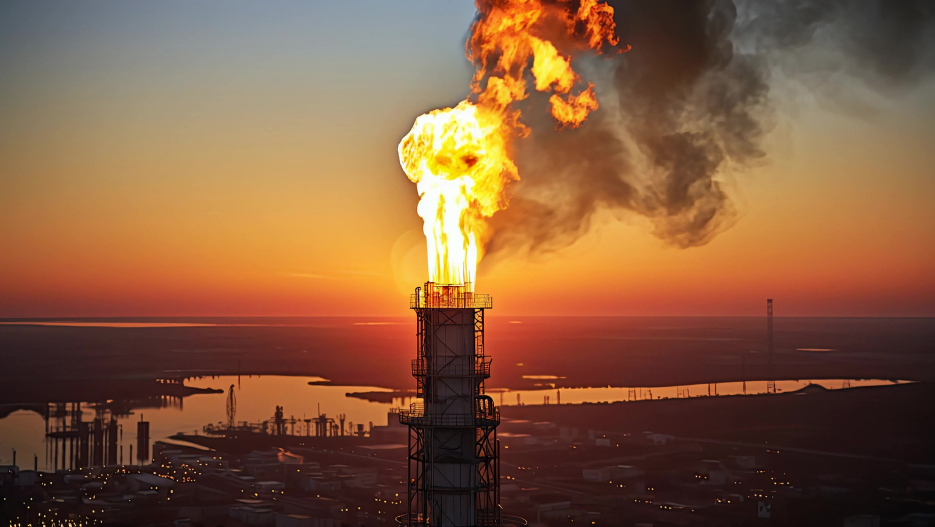
Mauritania is emerging in 2026 as one of the most promising markets in West Africa, driven by the development of gas, mining and infrastructure. Long perceived as an economy dominated by natural resources, the country is now entering a new phase of transformation, marked by the rise of local value chains, economic diversification and growing private investment.
For investors, industrial companies and financial players, Mauritania is now a strategic market at the crossroads of energy, mining, logistics and agriculture.
Mauritania 2026: A Resource-Based Economy Transitioning Towards Value Chains
Mauritania is entering 2026 at a particularly decisive economic moment. Long identified as an economy dominated by mining, fishing and, more recently, gas, it now presents a more complex profile: that of a country seeking to transform its natural wealth into a broader, more resilient and more value-creating productive system. International institutions and national authorities converge on the same diagnosis: macroeconomic fundamentals have strengthened, but the next step is to reduce dependence on extractive cycles by structuring sectors, infrastructure and services capable of supporting more inclusive, private sector-driven growth.
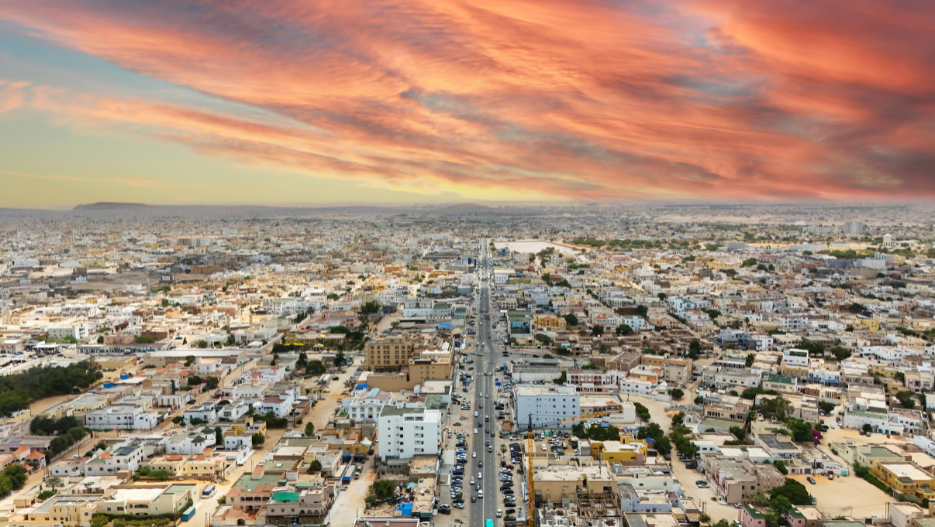
In this context, Mauritania can no longer be seen simply as a commodity export economy. It is gradually positioning itself as an energy, mining, fisheries and logistics hub between West Africa, the Maghreb and global markets. For investors, service providers, industrial players and financial institutions, the country’s appeal in 2026 lies not only in its abundant resources but also in the growing demand for local transformation, infrastructure, energy, digital services and structured financing.
A Stronger Macroeconomic Framework, Still Exposed to Sectoral Concentration
Any business analysis of Mauritania starts with its macroeconomic profile. The World Bank highlights that, despite a slowdown in growth to 5.2% in 2024, fundamentals have strengthened thanks to prudent monetary policy, improved fiscal management and a more favourable global environment for commodity and energy prices. Growth is expected to average around 4.9% between 2025 and 2027, provided reforms continue and diversification accelerates.
The IMF notes that after strong performance in 2024, activity slowed to 4.2% in 2025, mainly due to a contraction in the extractive sector, while non-extractive activities proved more resilient. The Fund also emphasises the country’s macroeconomic resilience, expected reduction in the current account deficit and the maintenance of comfortable international reserves.
However, this relative robustness should not obscure a key structural reality: Mauritania remains highly concentrated. Extractive industries account for nearly 19% of GDP, highlighting both the strength of mining and energy rents and the vulnerability of the model in the event of market downturns or project delays. Public revenues have reached 96 billion MRU (22.5% of GDP), public investment stands at 8.8% of GDP, public debt remains around 42% of GDP, and foreign reserves cover 6.4 months of imports.
“The authorities’ prudent fiscal management, underpinned by the adoption of a fiscal anchor, helps insulate public spending from commodity price volatility and contributes to stabilising debt.” — IMF, January 2026
For economic observers, the conclusion is clear: the issue for Mauritania in 2026 is not macroeconomic survival, but structural transformation and scaling up.
Key Sectors of the Mauritanian Economy in 2026
Mauritania’s economy is structured around several key sectors whose weight, nature and prospects must be clearly understood.
Mining remains central to exports and GDP, with ongoing reforms and growing demand for logistics and industrial services. Gas and energy are emerging as major growth drivers, with strong demand for engineering, maintenance and infrastructure. Fishing remains strategic but under-industrialised, while agriculture and livestock offer significant potential for diversification and import substitution. Digital services are increasingly critical in supporting productivity across sectors.
Mauritania is not replacing one model with another. It is transforming its traditional sectors into more integrated, technology-driven and service-oriented systems.
Gas in Mauritania: A New Growth Engine and Industrial Opportunity
Gas is arguably the most transformative development in the current period. The sector is now operational, creating direct opportunities in maintenance, subsea equipment, automation, maritime logistics, industrial waste management and safety systems. The Grand Tortue Ahmeyim (GTA) project has reached 98% completion in its first phase, marking Mauritania’s entry into a new energy era.
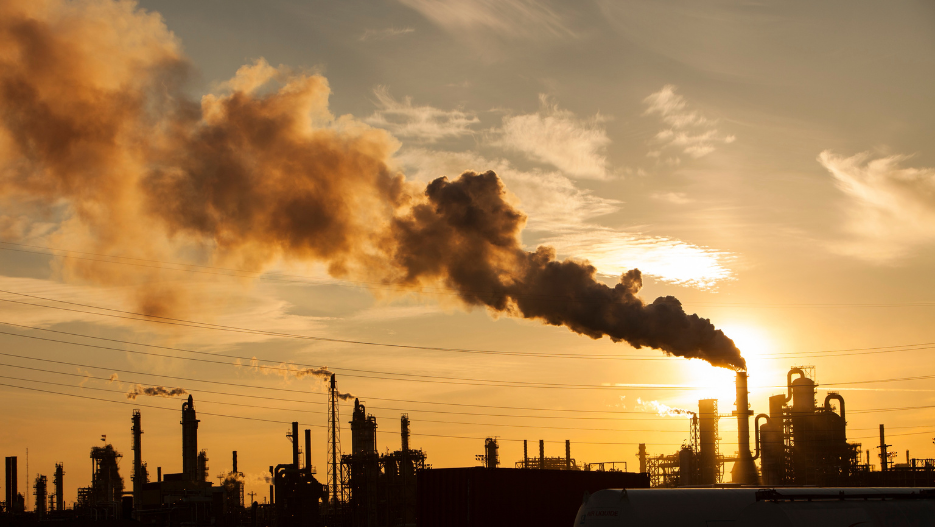
In the short term, gas drives demand for specialised services, infrastructure and industrial solutions. In the medium term, it represents a cross-sector competitiveness lever, supporting electrification, infrastructure development and industrial attractiveness.
However, it is also a governance test. The key question is not whether gas will generate revenues, but how these revenues will be transformed into long-term productive capacity.
Mining in Mauritania: Modernisation and Value Creation
The mining sector remains a cornerstone of the Mauritanian economy. The country is among Africa’s major producers of iron, gold, copper and other minerals, with over 900 identified sites.
The focus in 2026 is on ecosystem modernisation. SNIM is upgrading rail and port infrastructure, while major operators such as Kinross Tasiast continue to drive demand for industrial equipment, energy solutions and water technologies.
Mining is no longer just about extraction. It is increasingly about logistics, industrial services, energy management and technological integration.
Fishing in Mauritania: A Strategic Yet Underdeveloped Sector
Fishing remains a key comparative advantage, supported by a 750 km coastline and rich marine resources. However, local value creation remains limited despite high catch volumes.
The real opportunity lies in processing, cold-chain logistics, certification and export optimisation. The sector is evolving towards greater industrialisation and sustainability.

Agriculture and Livestock: The Core of Economic Diversification
Agriculture and livestock are essential to reducing import dependence and supporting regional development. Mauritania has significant arable land but still imports over 70% of its food needs.
Livestock potential is equally strong, with over 30 million head of cattle. Opportunities lie in meat and dairy processing, veterinary services and logistics.
Public investment is increasingly directed towards rural development, irrigation and value chain structuring.
Infrastructure, Energy and Logistics: The Main Growth Multiplier
Infrastructure is the key driver of economic transformation. Major investments are being made in energy, transport, water and digital networks.
Electricity access has reached 57%, with a growing share of renewables. Road networks and digital connectivity are expanding, creating the foundation for industrial and service sector growth.
Infrastructure is not just supportive, it is central to private sector profitability.
Green Hydrogen and Renewables: A Strategic Future Positioning
Mauritania is positioning itself in renewable energy and green hydrogen. Projects such as Nour and AMAN are already generating demand for infrastructure, desalination and engineering services.
Even before full industrial deployment, these projects are reshaping the investment landscape.
Digital, Financial Services and Business Climate: New Competitive Pillars
The country is modernising its financial system and digital infrastructure. Mobile payments, cybersecurity and digital administration are becoming key enablers of economic efficiency.
Institutional reforms, including a new investment code and improved business climate, are enhancing market attractiveness.
Economic Outlook for Mauritania in 2026
Mauritania is becoming a more attractive yet more selective market. Opportunities exist across energy, infrastructure, agriculture, logistics and digital services, but success requires positioning within value chains rather than relying on resource extraction alone.
Investment Opportunities in Mauritania in 2026
Mauritania offers a wide range of opportunities for international investors and local companies seeking to position themselves in high-growth markets.
Key opportunities include:
- Gas and energy (maintenance, logistics, equipment, technical services)
- Infrastructure (roads, ports, energy, water, PPP projects)
- Mining (logistics, subcontracting, industrial equipment)
- Fishing (processing, cold chain, certification, export)
- Agriculture and agro-industry (irrigation, local transformation, import substitution)
- Livestock (production, processing, veterinary logistics)
- Digital and financial services (payments, digitalisation, cybersecurity)
Value increasingly lies in services, infrastructure and intermediate segments of value chains rather than raw resource extraction.
Conclusion: Why Mauritania Is Attracting Increasing Investor Interest
Mauritania in 2026 presents a far more complex and compelling picture than a simple resource-based economy. While still structured around natural resources, the country is entering a phase focused on transforming these resources into a productive economy.
For businesses and investors, the opportunity lies in infrastructure, services, transformation and value chain integration. Mauritania is no longer just a resource frontier, it is becoming a regional transformation platform.
References
[2] IMF – Islamic Republic of Mauritania: IMF Executive Board Completes Fifth Reviews…
[3] International Trade Administration – Mauritania Market Opportunities
[4] APIM – Opportunités d’investissement en Mauritanie
[5] Ministère des Finances de Mauritanie – Rapport économique et financier 2026
[6] BCI 2026 – Budget consolidé d’investissement de la Mauritanie