
Côte d’Ivoire Post: The Minister of Post and ICT on Strategy for Post in Côte d’Ivoire
Bruno Nabagne Kone talks about the strategic plan for Post in Côte d’Ivoire.
imported 2024-03-17 17:43:07
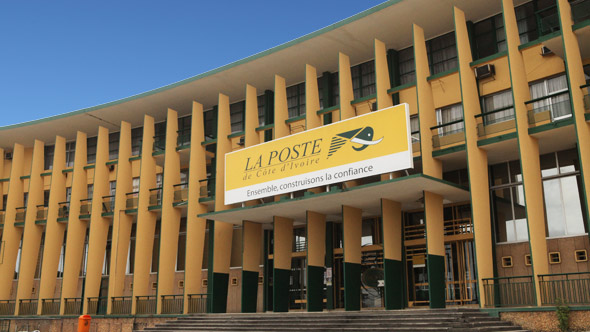
Bruno Nabagne Kone talks about the strategic plan for Post in Côte d’Ivoire.
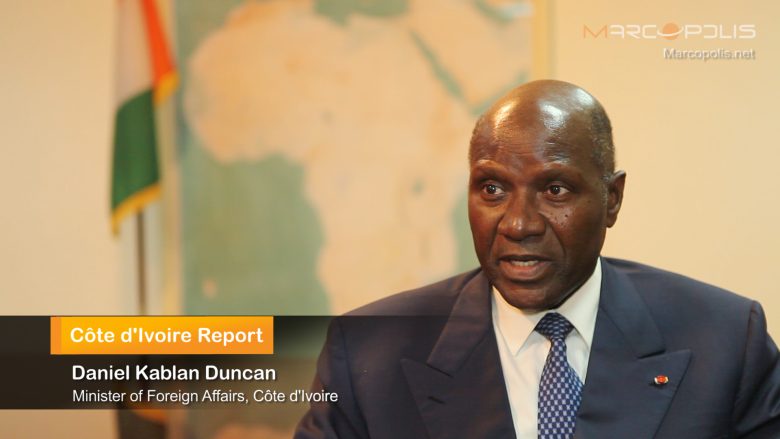
The integration of Côte d’Ivoire happens through 2 groups. The West African Economic and Monetary Union (UEMOA ) comprises 8 countries – including Côte d’Ivoire – and was created in 1962.
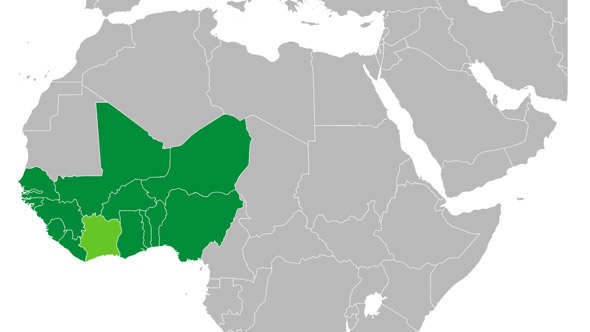
The integration of Côte d’Ivoire happens through 2 groups. The West African Economic and Monetary Union (UEMOA), comprises 8 countries – including Côte d’Ivoire – and was created in 1962.
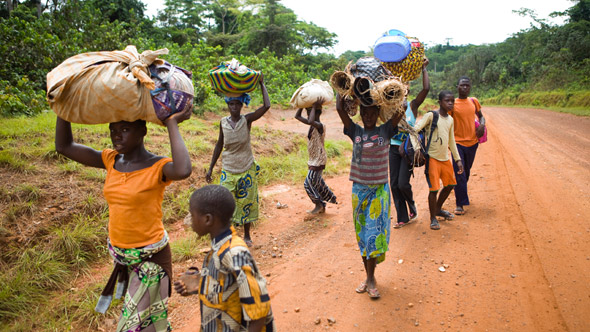
Côte d’Ivoire is a country that once experienced very encouraging growth, but was brought down by catastrophic elections a decade ago. There are 3 main challenges for the Ivorian diplomacy.
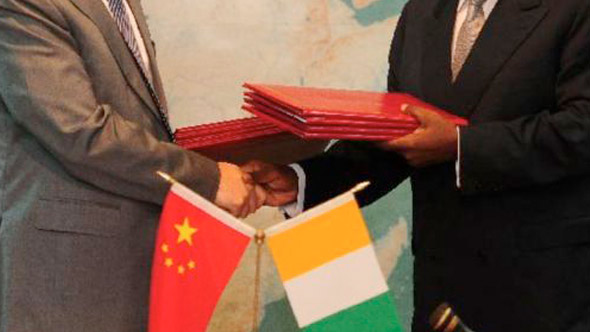
The characteristics of Côte d’Ivoire’s foreign policy revolve around the values of dialogue, peace and cooperation with the rest of the world.

The water problem is No.1 problem in Africa. The water and waste sector attracts considerable number of investments from the large institutional players such as the ABD and others. Water and waste projects will grow tremendously over the next 5 years.
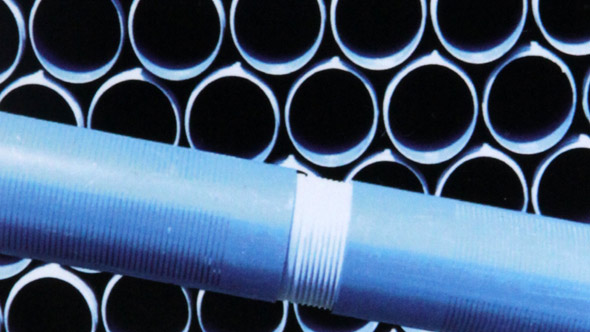
Ramzi Omais, CEO of Sotici talks about exports of Sotici. Sotici exports 50% of its production, mostly plastic pipes products.

GLS a pour mission de fournir des prestations de qualité en offrant une large gamme de solutions en matière de restauration collective et de services.
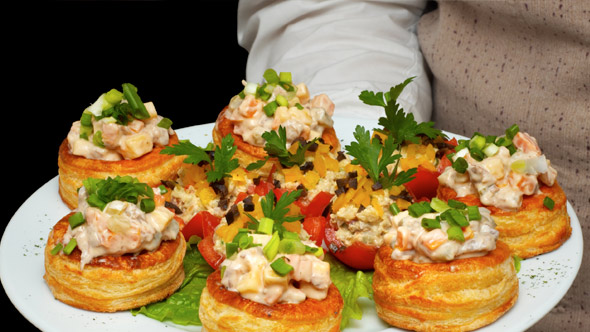
GLS Catering provides catering, housekeeping, facility management, cleaning, and, at the same time, the company exports these services abroad.
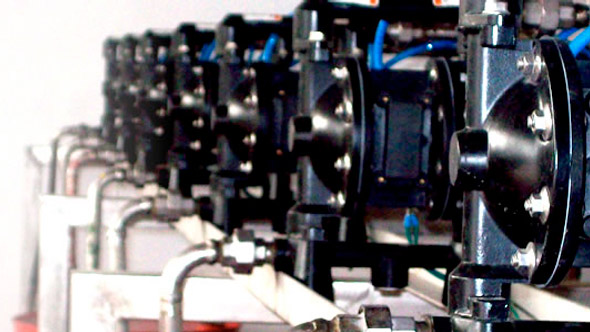
The main objective of IPS WA is the social and economic development of the people. The investment and business strategy of this leading industrial company in Côte d’Ivoire revolves around strong ethos.