
Brazil Oil and Gas Sector: Challenges for Brazil Oil and Gas
The main challenge for Brazil oil and gas sector is the ability to invest the resources to build platforms, drilling rigs and ships as well as the infrastructure upstream and downstream.
imported 2024-03-17 17:43:07

The main challenge for Brazil oil and gas sector is the ability to invest the resources to build platforms, drilling rigs and ships as well as the infrastructure upstream and downstream.
Alain Aboa, Vice président de la Fondation Benianh, and Sylviane Fontaine, Directeur administratif et financier de la Fondation Benianh
La Fondation Benianh International est une organisation non-gouvernementale de droit ivoirien crée en juillet 1996 qui offres des bourses.
Batelco successfully tests 100Mbps fixed broadband speeds. The fibre network project with 100Mbps speeds goes hand-in-hand with the capability for Triple Play solutions.
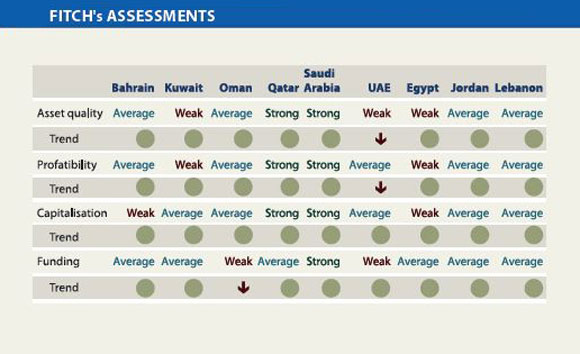
Fitch Ratings maintain a stable outlook for GCC/Middle East banks.
Côte d’Ivoire was one of the first countries in Sub-Saharan Africa to gain full internet connectivity. Orange owns an 85% interest in Orange Côte d’Ivoire, which began operating its network in 1996 under the Ivoiris brand, and a 45% interest in Côte d’Ivoire Telecom (CIT), Ivory Coast’s incumbent telecommunications operator, which supplies fixed-line telephone services as well as broadband and wholesale services.

Created in 1998, the CNRA has been Côte d’Ivoire’s primary agricultural R&D agency, accounting for two-thirds of the total research capacity and over three-quarters of its agricultural R&D investments.

The new government of Alassane Ouatarra has established a new approach to agriculture in Côte d’Ivoire called the National Agriculture Investment Program (NAIP). Its goals, according to Mamadou Sangafowa Coulibaly, Côte d’Ivoire’s Minister of Agriculture, are to achieve national food sufficiency, and to increase the agricultural industry’s growth to 8.9%.
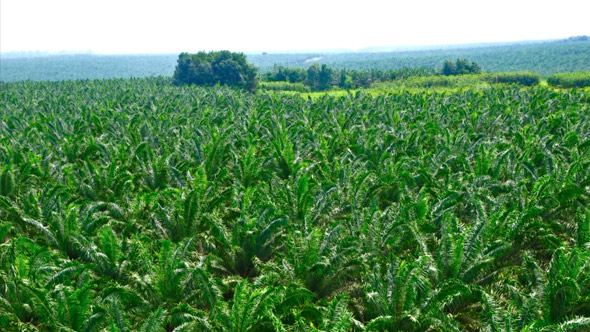
Agriculture is the backbone of Côte d’Ivoire’s economy. It employs 68% of the labor force, and accounts for 28% of GDP. While the prosperity of the companies and individuals in this sector is variable, depending on market conditions and, to a lesser extent, climatic conditions (amount of rainfall, etc.), it is the most solid factor in the economy.
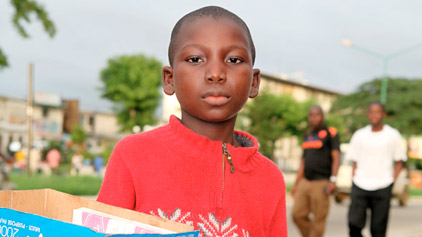
The country was in a crisis for more than ten years; companies were losing jobs and poverty was rising.
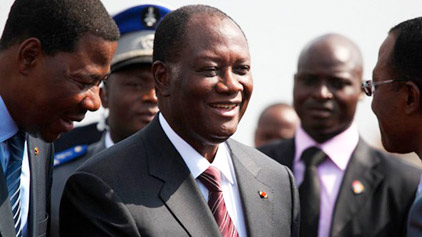
Although the violence of the five-month civil war is over, and the parliamentary elections proceeded relatively peacefully, there is still fear in the country.