
Burkina Faso Economy in 2027: Growth Outlook, Investment Opportunities, Risks and Future Projections
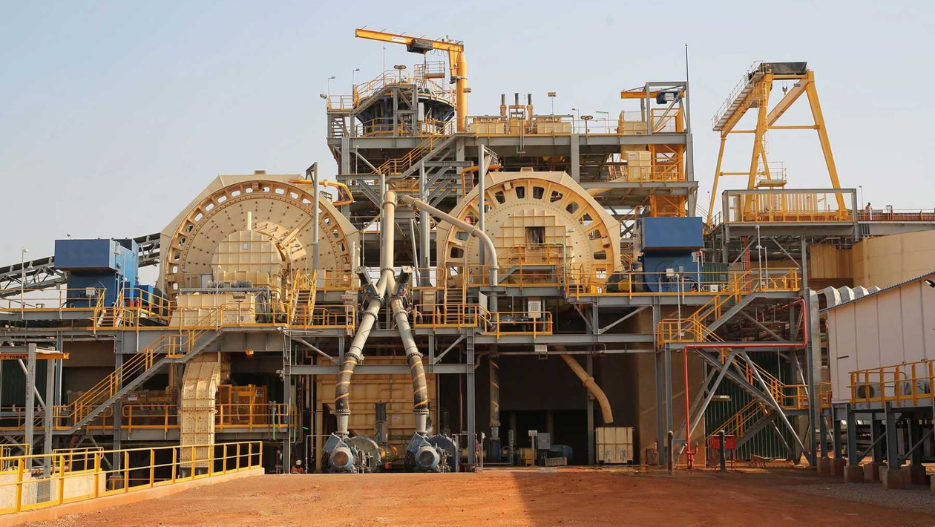
Burkina Faso is entering 2027 with an economy that has demonstrated considerably more resilience than its difficult security, humanitarian and geopolitical environment might suggest. After several years marked by terrorism, internal displacement, political change, climatic shocks and pressure on public finances, economic activity has strengthened, gold production has expanded, agricultural output has improved and the government has embarked on an ambitious programme aimed at transforming the structure of the economy.
The central question for 2027 is therefore no longer simply whether Burkina Faso can continue growing. It is whether the country can convert its current combination of high gold revenues, stronger agricultural production, public investment and gradually improving security conditions into broader and more sustainable economic development.
There are grounds for optimism, although substantial risks remain.
The International Monetary Fund estimates that real GDP expanded by 5.3% in 2025, compared with 4.8% in 2024. The World Bank reaches the same 5.3% estimate. The African Development Bank uses a somewhat higher estimate of 6.3% for 2025, illustrating differences between datasets and methodologies. For consistency, the 5.3% IMF and World Bank estimate provides the principal historical baseline used here.
For 2027, forecasts are more divided. The IMF projects growth of 4.8%, while the World Bank’s June 2026 Global Economic Prospects forecasts 5.8%, as does the African Development Bank. This places a reasonable institutional forecast range for Burkina Faso’s 2027 real GDP growth at approximately 4.8% to 5.8%.
That range makes Burkina Faso one of the potentially faster growing economies in West Africa in 2027, although growth alone does not resolve the country’s structural challenges.
An Economy That Has Proved More Resilient Than Expected
Burkina Faso’s recent economic performance is particularly notable because it has occurred under extremely difficult conditions.
Security challenges have disrupted agricultural production, mining activity, transport corridors and local commerce in parts of the country. Large numbers of internally displaced people have placed additional pressure on cities, public services and government finances. At the same time, Burkina Faso remains vulnerable to climatic shocks because a significant proportion of agricultural production depends on rainfall.
Despite these pressures, the economy accelerated in 2025.
The World Bank attributes the improvement to a combination of stronger agricultural output, government support through its agropastoral and fisheries offensive, better security conditions in some areas, growth in services, renewed mining activity and the formalisation of artisanal and semi mechanised gold production. Cereal production increased by around 17.6%, while total gold production reached approximately 94 tonnes in 2025, compared with 61 tonnes in 2024 according to World Bank figures.
Inflation also fell dramatically. Average consumer price inflation was estimated at minus 0.5% in 2025, compared with 4.2% in 2024. Abundant agricultural production and lower food and energy prices were major contributors.
That combination of economic expansion and lower prices was particularly favourable for household purchasing power.
The 2026 Slowdown Before a Possible Acceleration in 2027
The path from 2025 to 2027 is unlikely to be completely smooth.
The IMF sharply revised its 2026 forecast after increases in international petroleum and fertiliser prices associated with geopolitical conflict in the Middle East. Its latest projection puts real GDP growth in 2026 at approximately 3.6%, before recovering to 4.8% in 2027. The Fund also expects average inflation to reach approximately 4.2% in 2026 and 4.0% in 2027 under this scenario.
The World Bank is more optimistic about the trajectory. Its June 2026 Global Economic Prospects forecasts growth of 4.9% in 2026 and 5.8% in 2027.
The African Development Bank similarly forecasts 5.4% growth in 2026 and 5.8% in 2027, supported by agricultural production, mining and investment. It projects inflation of only 1.7% in 2027.
These differences should not be interpreted as evidence that one institution is necessarily wrong. They show how sensitive Burkina Faso’s economy is to assumptions concerning oil prices, fertiliser availability, rainfall, security conditions, gold prices and investment.
A sensible central scenario is therefore that Burkina Faso could grow by approximately 5% to 5.5% in 2027, with a stronger outcome approaching 6% if agriculture, mining and investment all perform well.
Gold Remains the Engine of Burkina Faso’s External Economy
No sector has a greater influence on Burkina Faso’s external finances than gold.
Gold represents more than 80% of the country’s exports, making Burkina Faso exceptionally sensitive to movements in international bullion prices.
High international gold prices have recently worked strongly in Burkina Faso’s favour. They have increased export revenues, government receipts and incentives to expand both industrial and smaller scale mining activity.
The IMF estimates that strong gold exports helped transform the current account from a deficit equal to 3.5% of GDP in 2024 into a surplus equivalent to approximately 6.3% of GDP in 2025 under its latest estimates.
The mining sector is also undergoing profound institutional change.
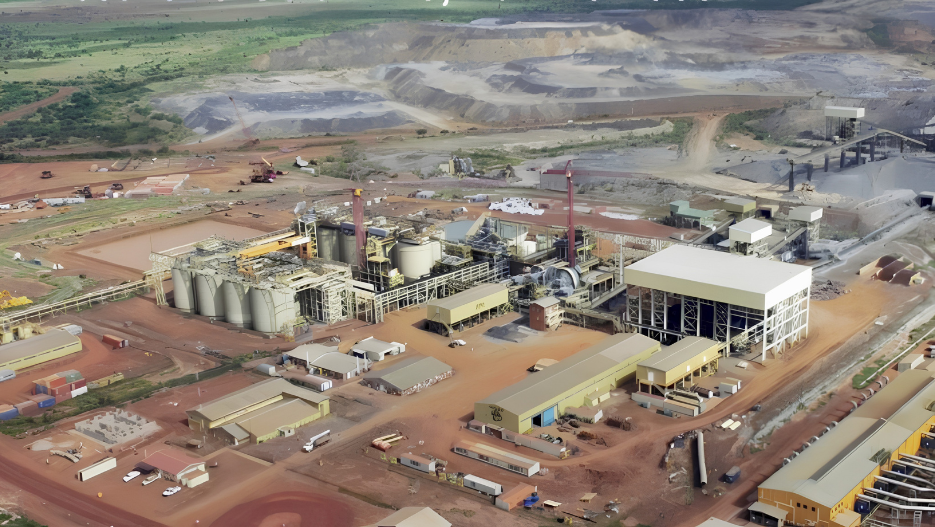
A new Mining Code adopted in 2024 increased the state’s free participation in mining companies from 10% to 15%. The government can also seek additional participation, while new rules place greater emphasis on local content, domestic processing and national involvement in the mining value chain.
Regulations have also introduced requirements designed to encourage the transformation and refining of mineral production within Burkina Faso rather than simply exporting unprocessed resources.
This represents an important shift in economic strategy.
The objective is increasingly to move from an economy that merely extracts gold towards one that captures more of the value surrounding exploration, extraction, processing, refining, logistics, engineering, equipment, financial services and local procurement.
Mining Investment Opportunities Are Expanding, but the Model Is Changing
For investors, the mining opportunity remains substantial, although the operating environment is becoming more state directed.
Burkina Faso possesses significant gold resources and continues to develop new production capacity. In July 2026, for example, authorities approved a large industrial mining permit for the Bouboulou gold project. Expected production is approximately 7.27 tonnes of gold over a projected 15 year mine life, with more than 1,200 jobs anticipated.
Investment opportunities therefore extend beyond ownership of mining concessions.
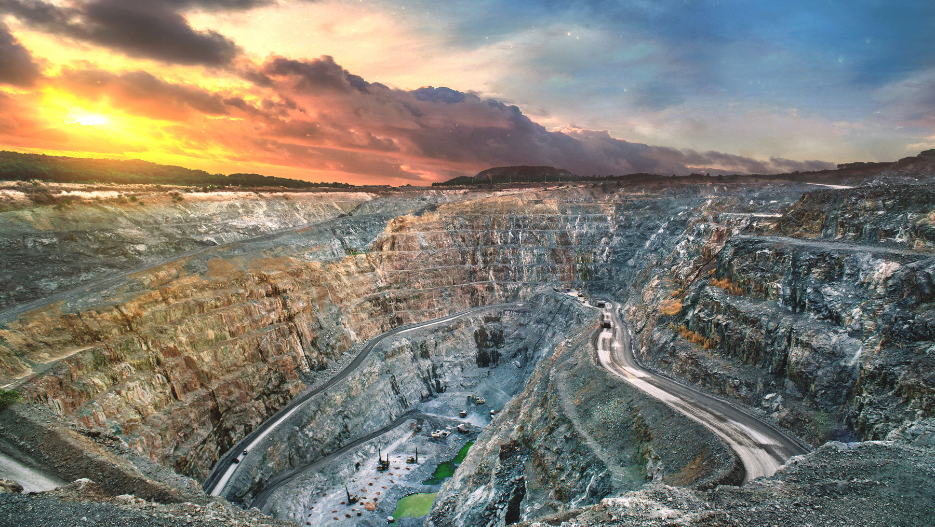
They include mining equipment, geological services, drilling, engineering, mine construction, transport, security services, environmental rehabilitation, mineral processing, refining, power generation and local supply chains.
However, foreign investors will have to adapt to a regulatory framework placing considerably greater emphasis on national participation and domestic economic benefits.
This creates opportunities for joint ventures with Burkinabè companies and for investors capable of demonstrating genuine local value creation.
Agriculture Could Become an Equally Important Growth Story
Gold may dominate exports, but agriculture remains much more important for employment, food security and household incomes.
Burkina Faso’s economic future therefore depends heavily on improving agricultural productivity.
The strong 2025 harvest demonstrated the potential economic impact of better agricultural performance. Government programmes supporting fertiliser, equipment, irrigation and agricultural production contributed to the sharp increase in cereal output.
The opportunity is much larger than primary farming.
Agricultural processing could become one of Burkina Faso’s most important areas of industrial development.
Cotton remains one of the country’s principal agricultural exports. Burkina Faso also produces cereals, livestock, sesame, cashew nuts and other crops with potential for greater domestic processing.
Yet much of this production continues to leave the country with limited transformation.
Cotton illustrates the challenge particularly well. Burkina Faso is a major regional cotton producer, but only a small percentage is transformed domestically into yarn, textiles or garments.
The economic opportunity therefore lies in building value chains around the country’s existing agricultural base.
Cotton spinning and textiles, edible oils, animal feed, meat processing, dairy products, fruit processing, cashew processing, sesame processing, storage, cold chains, agricultural logistics, fertiliser distribution, farm machinery and irrigation equipment could all benefit from a policy environment increasingly focused on domestic production.
Irrigation and Climate Resilience Will Determine Agricultural Success
There is nevertheless a major vulnerability at the heart of Burkina Faso’s agricultural model.
A considerable share of production remains dependent on rainfall.
Climate change increases the risks associated with drought, flooding and variations in the timing of the rainy season. This creates both an economic risk and an investment opportunity.
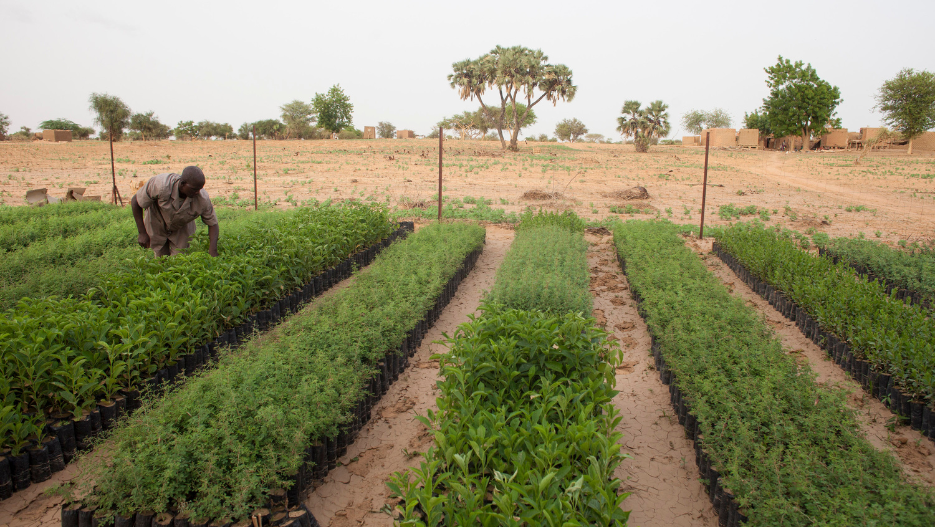
Expansion of irrigation systems, water management, solar powered pumping, improved seeds, agricultural insurance, climate data services, mechanisation and modern storage infrastructure could significantly improve productivity.
The IMF’s Resilience and Sustainability Facility for Burkina Faso, approved in 2026, is specifically designed to strengthen the country’s ability to withstand climate related economic shocks. The arrangement totals approximately SDR 90.3 million and runs until September 2027.
Climate adaptation should therefore increasingly be seen as part of Burkina Faso’s economic infrastructure rather than simply an environmental issue.
Energy Is One of the Biggest Bottlenecks and Investment Opportunities
Electricity remains another fundamental constraint on Burkina Faso’s economic transformation.
World Bank analysis shows that only around 26.3% of households had electricity access at the end of 2023. The national average masks an enormous difference between cities and rural areas. Urban access had reached roughly 87%, while rural access remained around 7%.
Without more reliable and affordable electricity, it will be difficult to expand mining processing, agro industry, manufacturing, digital services, cold storage and modern logistics.
The government has therefore placed energy expansion at the centre of its development strategy.
Under the national RELANCE development plan for 2026 to 2030, Burkina Faso aims to increase installed energy capacity from around 685 MW to more than 2,500 MW by 2030.
That ambition creates significant opportunities in solar generation, battery storage, transmission, distribution, mini grids, industrial power systems and electricity services.
Given Burkina Faso’s strong solar resources, renewable power could become particularly important.
Energy is therefore likely to be one of the sectors where public infrastructure objectives and private investment opportunities intersect most clearly between 2027 and 2030.
The RELANCE Plan Could Transform the Investment Landscape
The government’s most important economic policy framework is the Plan RELANCE 2026 to 2030.
The plan is valued at approximately CFAF 36 trillion, with the government expecting close to two thirds of financing to come from domestic or sovereign resources.
It is organised around four broad priorities: security and social cohesion, reform of the state and governance, human capital, and infrastructure combined with structural economic transformation.
The economic philosophy behind the programme deserves particular attention from investors.
Burkina Faso is moving towards what the government describes as a strategic state model. Rather than relying entirely on private initiative, the authorities intend to play a more active role in directing investment, supporting strategic industries, increasing domestic processing and mobilising national capital.
At the same time, the government continues to describe the private sector as an essential participant in economic transformation and has emphasised public private dialogue around taxation, financing, land, international trade and access to government contracts.
For investors, this means that some of the strongest opportunities may emerge through partnerships with government institutions, national companies or local private businesses rather than through completely independent investment models.
Infrastructure Spending Could Become a Major Growth Driver
Infrastructure is another potentially powerful contributor to the 2027 economy.
Burkina Faso is landlocked, which makes roads, transport corridors, logistics platforms and storage systems particularly important for competitiveness.
The RELANCE programme prioritises the modernisation of transport, communications, energy and storage infrastructure. The African Development Bank has also identified infrastructure, economic transformation and private sector development among the priorities being considered for its Burkina Faso strategy for 2027 to 2031.
As of April 2026, the African Development Bank’s active portfolio in Burkina Faso included 19 projects worth approximately US$956 million, covering several sectors.
Construction, roads, bridges, warehousing, industrial zones, water infrastructure, telecommunications and urban infrastructure could therefore generate considerable economic activity during 2027.
Services Should Continue Expanding
Services are sometimes overshadowed by discussions about gold and agriculture, but they remain a major part of the Burkinabè economy.
According to the World Bank, services contributed approximately 2.1 percentage points to economic growth in 2025, supported by public administration as well as the recovery of retail, commerce and repair activities.
Improved security can have an unusually large effect on services because it restores transport routes, market access and commercial activity relatively quickly.
Financial services, telecommunications, digital payments, logistics, professional services, education and healthcare therefore represent potential areas of expansion.
The rapid growth of Ouagadougou and other urban centres will also increase demand for housing, transport, retail, banking, digital services and urban infrastructure.
The Financial System Remains a Constraint
The financial sector presents a more mixed picture.
The African Development Bank estimates that non performing loans rose to approximately 11.6% in 2025, compared with 9% the previous year. Private sector credit has also weakened relative to GDP.
This matters because ambitious investment programmes require businesses to obtain affordable financing.
Burkina Faso’s domestic financial market remains relatively shallow, while smaller companies often struggle to access long term credit.
The AfDB estimates domestic savings at approximately 18.5% of GDP in 2024, while foreign direct investment was equivalent to less than 3% of GDP.
Increasing financial depth, encouraging private investment, attracting diaspora capital and expanding guarantee mechanisms could therefore become important elements of the country’s development strategy.
Public Finances Have Improved Dramatically
Burkina Faso made unusually strong progress in reducing its fiscal deficit during 2025.
According to the IMF, the overall government deficit declined from 5.8% of GDP in 2024 to 1.8% in 2025. Higher mining revenues, stronger revenue collection and expenditure control were important contributors.
The latest IMF projections expect some temporary fiscal deterioration as the government responds to energy, fertiliser, security and humanitarian pressures. Nevertheless, the Fund expects the deficit to move towards approximately 3.3% of GDP in 2027 and 3% thereafter.
Public debt is also expected to decline gradually.
The IMF projects total public debt at approximately 50.3% of GDP in 2027, compared with 53.4% in 2025.
The African Development Bank likewise considers Burkina Faso’s risk of excessive debt to be moderate, although it highlights the relatively expensive nature of domestic borrowing.
If fiscal consolidation continues while investment spending remains productive, Burkina Faso could enter the latter part of the decade with greater capacity to finance infrastructure and development.
Burkina Faso’s 2027 GDP Could Approach CFAF 20 Trillion
The IMF projects nominal GDP of approximately CFAF 19.92 trillion in 2027.
Under the IMF’s exchange rate assumptions, that would correspond to roughly US$35 billion to US$36 billion.
Nominal GDP per capita is projected by the Fund to rise from about US$1,149 in 2025 to approximately US$1,417 in 2027.
These figures represent meaningful progress, although Burkina Faso will remain a low income economy.
The World Bank estimated the country’s population at approximately 24.1 million in 2025. Rapid population growth means aggregate economic growth must remain relatively strong merely to produce significant improvements in income per person.
This is one reason why growth close to 5% should be considered encouraging but not sufficient.
Poverty and Employment Remain the Central Development Challenge
Burkina Faso’s economic transformation will ultimately be judged by jobs and household incomes rather than GDP statistics.
The World Bank estimated that extreme poverty declined significantly during 2025 as economic growth strengthened and food prices fell. It nevertheless emphasises that informal employment remains widespread and that vulnerable populations, particularly those affected by insecurity, remain under considerable pressure.
The country’s young and rapidly urbanising population makes employment creation especially urgent.
Mining can generate enormous export revenue but relatively few jobs compared with agriculture, manufacturing and services. The World Bank has previously noted that industrial gold mining has relatively limited direct employment and weak links with some parts of the domestic economy.
This explains why agricultural processing, manufacturing, construction, infrastructure, logistics and services are so important for Burkina Faso’s next stage of development.
The objective is not simply more growth. It is more labour intensive growth.
Women’s Economic Participation Represents an Untapped Growth Opportunity
Greater participation by women could also materially increase Burkina Faso’s productive capacity.
World Bank research published in 2026 estimates women’s employment at approximately 63.4%, compared with 76% among men, with women disproportionately represented in informal and vulnerable occupations. Access to finance, agricultural inputs, land, education and formal employment remain significant constraints.
Policies expanding women’s access to capital, technical education, land rights and formal employment could therefore produce economic gains beyond their social benefits.
For businesses, this also creates opportunities in financial inclusion, vocational education, agricultural services, digital finance and entrepreneurship support.
Regional Integration Is Changing but Monetary Stability Continues
Burkina Faso officially withdrew from ECOWAS alongside Mali and Niger on 29 January 2025, as the three countries strengthened cooperation within the Alliance of Sahel States. ECOWAS nevertheless maintained transitional arrangements allowing trade and freedom of movement to continue under existing mechanisms while future relations are negotiated.
Importantly, Burkina Faso remains a member of the West African Monetary Union and continues to use the CFA franc under the monetary framework managed by the Central Bank of West African States, BCEAO.
This provides an important element of monetary stability and regional financial integration.
However, Burkina Faso’s changing political and regional alliances could progressively reshape trade corridors, infrastructure priorities and investment partnerships, particularly with Mali and Niger.
The Most Attractive Investment Sectors for 2027
The strongest investment opportunities in Burkina Faso during 2027 are likely to emerge where government priorities coincide with genuine structural demand.
Mining will remain important, particularly mining services, processing, equipment, refining and local supply chains.
Agriculture offers potentially broader opportunities through irrigation, mechanisation, fertilisers, storage, livestock, food production and agricultural processing.
Energy could become one of the country’s largest investment themes because industrial expansion cannot proceed without increased electricity capacity.
Infrastructure and construction should benefit from government development programmes, urbanisation and renewed investment.
Manufacturing could gain from policies designed to encourage domestic transformation of minerals and agricultural products.
Logistics will remain essential because Burkina Faso is landlocked and depends heavily on regional transport corridors.
Digital financial services, telecommunications and business technology also have room to expand as more economic activity becomes formalised.
Healthcare, education and vocational training should grow alongside the country’s young population and increasing demand for human capital.
What Could Go Wrong in 2027?
The positive outlook should not obscure the seriousness of the risks.
Security remains the most important domestic risk. Renewed deterioration could restrict access to agricultural regions, disrupt mining operations, increase transport costs and redirect government resources towards defence.
The IMF continues to describe Burkina Faso’s operating environment as highly fragile despite improvements in the frequency of terrorist attacks.
Climate represents another major risk. A poor rainy season could simultaneously reduce agricultural growth, increase food prices, increase poverty and create a need for expensive food imports.
Oil prices are important because Burkina Faso is an importer of petroleum products. Higher prices weaken the trade balance and increase transport, electricity and production costs.
Fertiliser prices are equally important because they directly affect agricultural production and food security. The IMF’s more cautious 2026 forecast demonstrates how quickly an external commodity shock can change Burkina Faso’s economic trajectory.
Gold represents both an enormous strength and a concentration risk. Sustained high gold prices provide revenue and foreign exchange, but a major correction in international prices would weaken exports and government receipts.
Financing conditions represent another risk. Heavy reliance on domestic and regional borrowing can become costly when interest rates are high.
Finally, excessive state intervention or regulatory uncertainty could discourage private investment if policies designed to increase national participation are not implemented predictably.
Three Possible Scenarios for Burkina Faso in 2027
A useful way to understand the outlook is to consider three possible economic scenarios.
In a strong growth scenario, security conditions improve materially, rainfall remains favourable, gold prices stay high, agricultural investment delivers strong production and public infrastructure projects accelerate. Under such conditions, growth of approximately 5.8% to 6% would be achievable, broadly consistent with the World Bank and African Development Bank projections.
In a central scenario, security improves gradually, agricultural production remains reasonable, gold stays supportive and infrastructure investment continues, but external energy and financing pressures persist. Growth of approximately 5% to 5.5% would be plausible.
In a downside scenario, deterioration in security combines with poor rainfall, high oil and fertiliser prices or a significant decline in gold revenues. Growth could then fall below 4%, while inflation and fiscal pressures would increase.
At present, the central to moderately optimistic scenario appears the most reasonable, but the unusually wide institutional forecast range demonstrates the uncertainty surrounding the country.
Why 2027 Could Be an Important Turning Point
The year 2027 may be particularly important because Burkina Faso will be moving from economic stabilisation towards implementation of the larger structural ambitions contained in the RELANCE 2026 to 2030 plan.
The government’s objective is no longer simply to increase production. It is attempting to change where economic value is created.
Gold should increasingly be processed domestically.
Agricultural commodities should increasingly feed Burkinabè factories.
Domestic energy production should reduce constraints on industry.
Infrastructure should connect producers with markets.
National businesses should capture a greater share of mining, agricultural and infrastructure value chains.
The state intends to play a considerably more active role in achieving these objectives.
Whether this strategy succeeds will depend heavily on implementation, institutional capacity, private sector confidence, financing and security.
Outlook for Burkina Faso Beyond 2027
Looking beyond 2027, the country’s medium term fundamentals contain both substantial promise and formidable challenges.
The IMF currently expects real GDP growth to remain around 4.8% annually through 2030 under its baseline assumptions.
The World Bank is somewhat more optimistic in the immediate term, projecting 5.8% growth in 2027 and 5.5% in 2028.
If Burkina Faso can maintain growth around or above 5% while simultaneously increasing productivity, expanding domestic processing and creating formal employment, the economy could enter a fundamentally different development phase.
Much will depend on diversification.
An economy overwhelmingly dependent on gold and rain fed agriculture will always remain vulnerable.
An economy combining gold, agro industry, manufacturing, renewable energy, construction, logistics and services would be considerably more resilient.
This diversification is therefore the real economic challenge of the remainder of the decade.
Conclusion: Burkina Faso’s Economy in 2027
Burkina Faso enters 2027 as a country with substantial economic potential operating under unusually difficult conditions.
Its greatest strengths are considerable mineral resources, high gold export revenues, a large agricultural base, a young population, significant infrastructure needs and an increasingly ambitious domestic industrialisation strategy.
Its principal weaknesses remain insecurity, poverty, low productivity, inadequate electricity access, insufficient infrastructure, limited access to finance, economic informality and dependence on a relatively narrow range of commodities.
Nevertheless, the recent trajectory is encouraging.
Real GDP grew around 5.3% in 2025. Agricultural production strengthened. Gold output expanded sharply. Inflation fell. Public finances improved substantially. Mining reforms increased the state’s capacity to capture revenues, while the RELANCE 2026 to 2030 plan places infrastructure, energy, industrialisation and domestic transformation at the centre of economic policy.
For 2027, major international institutions currently forecast economic growth somewhere between 4.8% and 5.8%. The World Bank and African Development Bank sit at the optimistic end of that range, while the IMF has adopted a more cautious assessment following recent energy and fertiliser shocks.
A reasonable central expectation is therefore that Burkina Faso’s economy could expand by approximately 5% to 5.5% in 2027, provided security continues to improve and there is no major deterioration in agricultural conditions or commodity markets.
More important than the exact percentage, however, will be the composition of that growth.
If Burkina Faso succeeds in turning gold revenues into infrastructure, agriculture into agro industry, solar potential into affordable electricity and its young population into a more productive workforce, 2027 could represent more than another year of respectable GDP growth.
It could mark the beginning of a deeper transformation from a commodity dependent Sahelian economy towards a more diversified, productive and domestically integrated economic model.
That transformation is far from guaranteed.
But the combination of high mining revenues, renewed agricultural momentum, ambitious public investment and a national strategy centred on domestic production means that Burkina Faso enters 2027 with economic opportunities that are significantly greater than the country’s security headlines alone would suggest.