
Protected: AquaRech Launches Lease-to-Own Fish Cage Program to Boost Blue Economy in Kenya
There is no excerpt because this is a protected post.

There is no excerpt because this is a protected post.

In this conversation with the Marcopolis team, Alpesh Patel, CEO of Silafrica Tanzania, shares deep insights into the success story and strategic approach behind SIMTANK, …

نظمت “دهانات الجزيرة” الشركة الرائدة في صناعة الدهانات والألوان والحلول الإنشائية في المملكة والشرق الأوسط وشمال إفريقيا، “فعالية أولمبياد أبطال الجزيرة” ضمن أحد برامجها الداخلية …
“Jazeera Paints”, the leading company in the industry of paints, colors and construction solutions in KSA and MENA, organized an internal event aimed at strengthening …

In this section of the interview, Farouk Ramji, CEO of Mawingu, explains the company’s shift from venture capital to seeking long-term infrastructure investors who understand …
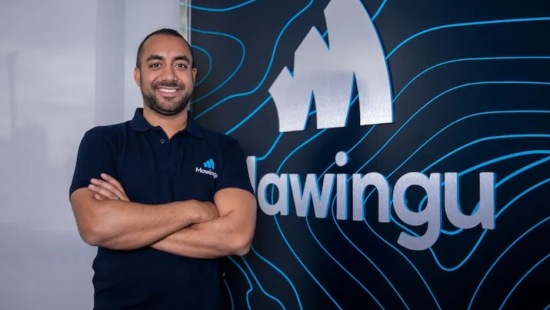
In this exclusive interview, Farouk Ramji, CEO of Mawingu, a leading internet service provider in Kenya, outlines the company’s strategic growth across East Africa, with a strong focus on affordable internet in rural Kenya and Tanzania. Over the past four years, Mawingu has built a financially viable and scalable ISP business model—anchored in strong gross margins, profitability, and operational discipline—making it one of the most promising ISPs in Kenya and Africa connectivity pioneers.
The company’s journey from a venture capital-backed startup to a multi-country operator has been marked by an ambitious shift towards attracting long-term infrastructure investors and private equity in Africa. Ramji discusses Mawingu’s acquisition in Tanzania, its disciplined M&A strategy, and how the brand offers a unique blend of profit and purpose in the African digital infrastructure investment space.
The vision is bold: to connect one million Africans by 2028, using sustainable and smart investment strategies tailored for markets like Kenya, Tanzania, Uganda, and Burundi. Instead of spreading thin, Mawingu aims to solidify operations in two or three key countries and replicate success through franchise models or an “ISP-in-a-box” approach—enabling accelerated pan-African expansion.
A core part of Mawingu’s impact strategy includes community-based internet connectivity. Ramji highlights the company’s 24/7 network operations center, in-house technical teams, and localized customer support, including Somali-speaking agents to serve marginalized regions such as Mandera. The company’s non-profit arm, Mawingu Foundation, supports schools and community hubs with subsidized internet—building a bridge between digital inclusion and economic empowerment.
Ramji also emphasizes how increasing internet penetration in Africa—particularly in underserved communities—can directly boost GDP, citing World Bank statistics that link a 10% rise in connectivity to a 1.38% increase in GDP. By maintaining this focus, Mawingu not only builds a business but also delivers measurable socioeconomic returns.
Looking ahead, Mawingu plans to grow fivefold in the next three years, increasing subscriber numbers, revenue, and regional reach. The interview concludes with a strong message to global investors: despite past hesitations, the African internet market presents massive untapped potential. With only 1 million of 12 million Kenyan homes connected and just 300,000 out of 14 million Tanzanian homes online, the size of the opportunity is enormous.
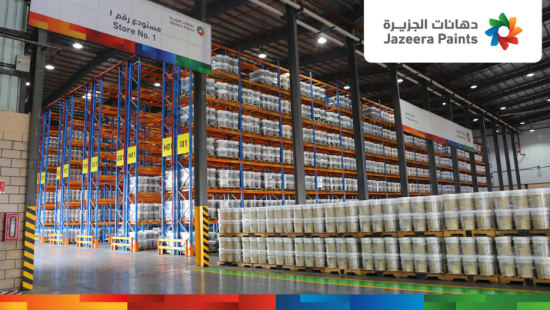
تواصل “دهانات الجزيرة”، الشركة الرائدة في صناعة الدهانات والحلول الإنشائية في المملكة والشرق الأوسط وشمال إفريقيا، التزامها بالاستدامة البيئية من خلال ابتكار منتجات صديقة للبيئة …
“Jazeera Paints”, the leading company in the industry of paints, colors and construction solutions in KSA and MENA, continues to reinforce its commitment to environmental …

In this section of the interview, Manish Shah, Chairman of Kingsway Tyres, discusses how the company has redefined its market leadership strategy in response to …
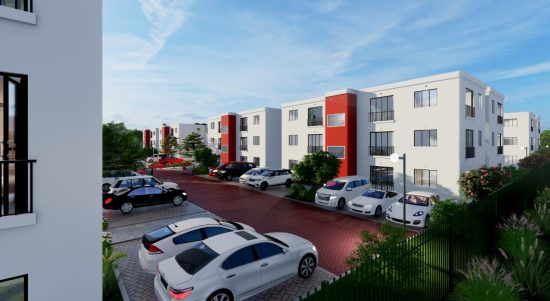
In this section of the interview, Jason Horsey, Executive Director of Unity Homes, introduces the company’s unique approach to residential real estate development in Kenya …