
Lost Paradise of Dilmun Water Park, Bahrain
Take it easy on the Lazy River or try the therapeutic spa pool. This park offers fun for all your family members and it is the only place where you can find waves in the middle of the desert!
imported 2024-03-17 17:43:07
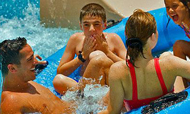
Take it easy on the Lazy River or try the therapeutic spa pool. This park offers fun for all your family members and it is the only place where you can find waves in the middle of the desert!
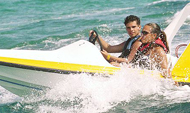
On November 11, 1981 the Marina Club was inaugurated with an initial membership of 520 members. The modern facilities offered by the Marina Club have ensured its popularity right from the beginning.
DIYAR AL MUHARRAQ is a prime sponsor of Sh. Khalid Bin Hamad Media Futsal Tournament.
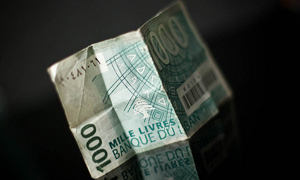
The Lebanese economy reported a net slowdown in activity over the first half of 2011, yet without falling into a recessionary trap and avoiding negative growth.
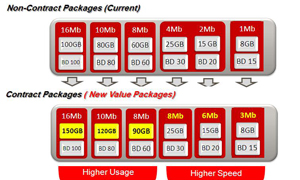
**Higher Speed & Higher Usage with NO Increase in Price**
Gulf oil producers overshot budgeted spending by nearly 12% in 2010 and are expected to exceed their budgets again this year.
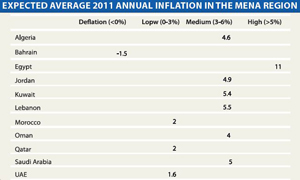
EFG Hermes recently released its quarterly Economic Note on the MENA region in which it addressed inflation and interest rate trends in the region.
Bahrain has been rated the most open economy in the GCC following its successful efforts to diversify away from oil and gas, in a recent report by accountants KPMG.
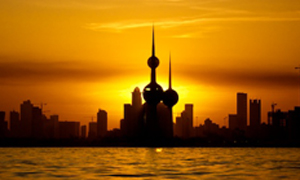
The IMF expects the Kuwaiti economy to grow steadily in 2011 and over the medium term as the government implements the four-year development plan.
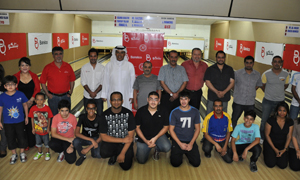
**Event in Memory of the late Hasan Ramadan Now On**